
Hidden Ginger: Tropical Shade Beauty for Your Garden
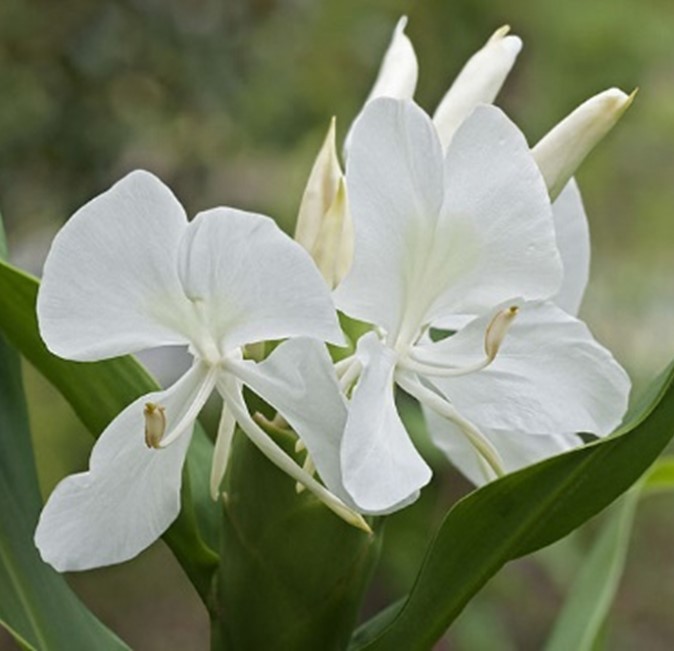
Hidden Ginger earns its intriguing name from the small yellow flowers tucked beneath its lower bracts, while the showier top blooms steal the spotlight in shades of pink to violet. Also known as the “Queen Lily,” Curcuma petiolata is a tropical beauty with a flair for drama and just enough mystery to keep gardeners interested. Native to Malaysia and grown primarily for its ornamental charm, this member of the Zingiberaceae ginger family proves a plant can be both elegant and low-maintenance—an ideal combination for gardeners who appreciate beauty without constant negotiation.
Sun and Growing Conditions
Hidden Ginger thrives in moist, well-drained soil and prefers partial sunlight. Morning sun or filtered light suits it best, while harsh late-afternoon rays can scorch its leaves and leave it looking less “Queen Lily” and more “slightly offended houseplant.” Because it enjoys higher humidity, it is especially suited for shady, sheltered garden beds where the air stays a little more tropical. It also performs beautifully indoors, adding an exotic, jungle-like flair to a sun room, bright corner, or anywhere that could use a touch of botanical glamour.
Growth Habit and Plant Characteristics
This perennial, deciduous plant typically grows one to three feet tall and forms a neat mound about 12 to 18 inches in diameter—small by ginger-family standards, but certainly not lacking in personality. Hidden Ginger is non-edible, so while it may look tempting to the adventurous cook, it is best admired rather than added to dinner. It is hardy in USDA zones 8 through 11 and, once established, is considered drought-tolerant.
Planting, Spreading, and Companion Plants
Rhizomes should be planted in early spring after the last frost, spaced about six to twelve inches apart. Over time, Hidden Ginger spreads gently through its rhizomes, creating attractive clumps rather than launching a hostile takeover of the flower bed. This makes it an excellent choice for gardeners wanting a lush, layered look without spending years trying to contain it. Its flowers are also a favorite of butterflies and bees, making Hidden Ginger something of a pollinator magnet. Apparently, the insects recognize good taste.
For the best visual effect, Hidden Ginger pairs beautifully with other tropical-style plants such as Elephant Ears (Alocasia calidora) and various Caladium species. Together, they create a rich, jungle-inspired planting that can make even an ordinary backyard feel like a resort.
Seasonal Care and Dormancy Maintenance
As fall approaches, Hidden Ginger begins to fade and may look as though it has given up on life entirely. Fortunately, this is just its normal dormancy cycle, not a cry for help. Brown foliage can be trimmed away, and the plant will return with fresh growth in spring. Dead leaves and spent blooms should be removed as they appear to maintain the plant’s tidy tropical appearance and help prevent disease. If the clump becomes too large, rhizomes can be divided during dormancy and replanted elsewhere, which is essentially the gardening equivalent of getting free plants.
Fertilizing Hidden Ginger with a slow-release fertilizer in late winter or early spring, just before new growth emerges, gives it a strong start for the season. If the soil is already rich and balanced, additional feeding during the growing season may not be necessary. Outdoors, Hidden Ginger is generally resistant to most diseases, though tender new leaves may occasionally attract deer, slugs, or snails. Indoors, gardeners should watch for spider mites and mealybugs with weekly checks.
Bulbs to Blooms Sale Event Details
With the right growing conditions and a little routine care, Hidden Ginger offers a unique combination of tropical elegance, easy maintenance, and just enough floral theatrics to keep a garden interesting.
This bulb will be among the many plants offered in the upcoming Bulbs to Blooms Conference and Sale on October 24th from 9-1 at Pollard United Methodist Church. Admission is free. Online shopping begins October 12-21, with order pick-up beginning at 10:00 a.m. on the day of the sale. For more details visit this LINK or call (903)590-2980.

Todd Martin
Smith County Master Gardeners are volunteer educators certified and coordinated by the Texas A&M AgriLife Extension Service.