
Unleash your green thumb through educational and scientifically based horticultural programs
Discover Research-Based Horticulture Solutions
Smith County Master Gardeners offer a variety of Community Service Programs
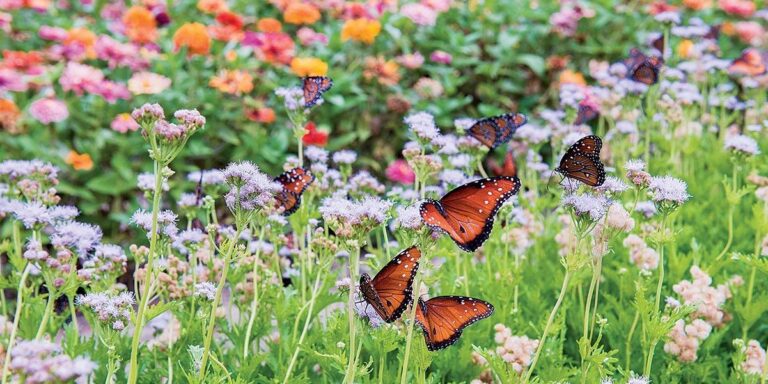
Smith County Master Gardeners offer a variety of programs that disseminate research-based horticultural information, supporting our community in important ways. These community-based programs vary from plant sales and garden tours to conferences and seminars on a variety of gardening topics. You will discover eco-friendly gardening techniques that will nourish your plants and the environment.
So whether you’re a beginner or a seasoned gardener, our team will guide you towards a greener, more sustainable future.
Visit the Smith County Master Gardeners Demonstration Gardens

Smith County Master Gardeners follow Earth-Kind® principles as they care for an impressive group of innovative research and demonstration gardens. These gardens serve as outdoor classrooms where our Master Gardeners provide Smith County residents and visitors with research-based information about sustainable horticultural practices and environmental stewardship.
Bulb Sale and Conference
This annual event offers a unique selection of heirloom, hard-to-find, and
regionally adapted bulbs.
-
Frightful Foliage Guide: Spooky & Poisonous Plants
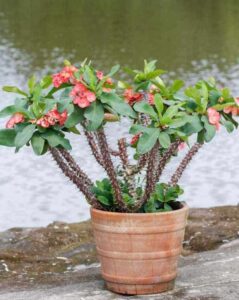
Discover the spooky, prickly, and poisonous plants lurking in East Texas landscapes this Halloween season, with safety tips from Smith County Master Gardeners.
-
Texas Superstar Advanced Training Hosted in Tyler, Texas
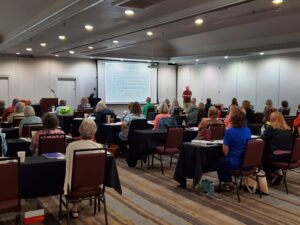
Forty-three Master Gardeners from 26 counties gathered in Tyler for the statewide 2026 Texas Superstar Advanced Training, featuring expert lectures and tours.
-
Bring Sunrise to Your Garden with Daffodil ‘Golden Dawn’
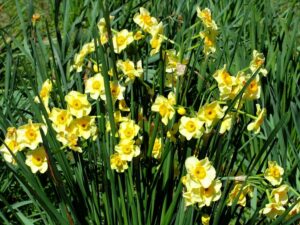
Daffodil ‘Golden Dawn’ is a fragrant tazetta daffodil with warm yellow petals and an orange cup. Ideal for sunny borders, containers, and cutting gardens.
More science-based lawn and gardening information from the Texas A&M AgriLife Extension Service can be found at aggieturf.tamu.edu and aggie-horticulture.tamu.edu.