Gigantic Star Daffodil Guide: Giant Yellow Blooms for Spring
When most people think of daffodils, they think of yellow, fragrant, oftentimes “fragile” looking flowers. However, the Gigantic Star Daffodil is anything but “fragile”! A vigorous, healthy perennial, this early-mid Spring bloomer has sometimes been referred to as a “meat and potatoes” daffodil due to its strength and reliability. And because the winner of the Royal Horticultural Society Award of Garden Merit, Daffodil Carlton, is one of its parents, Gigantic Star has inherited wonderful attributes and characteristics. Classified as a large-cupped narcissus, it grows well in both North and South.
Flower Characteristics & Size
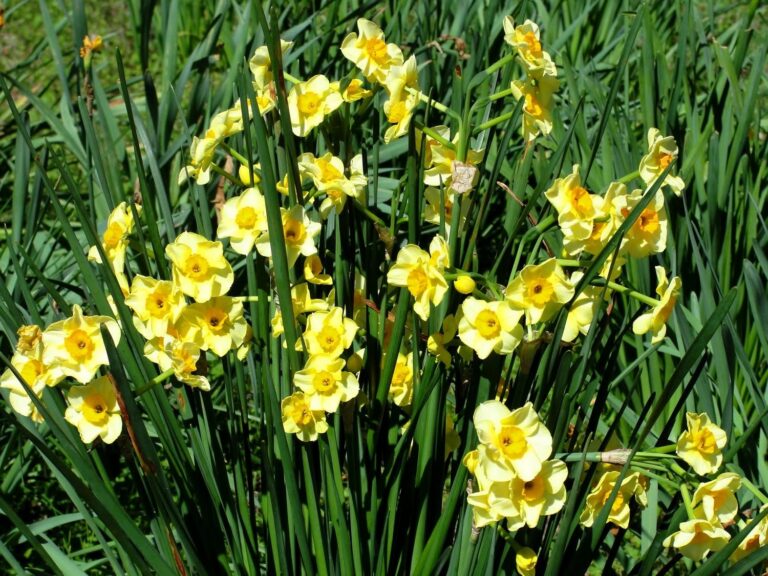
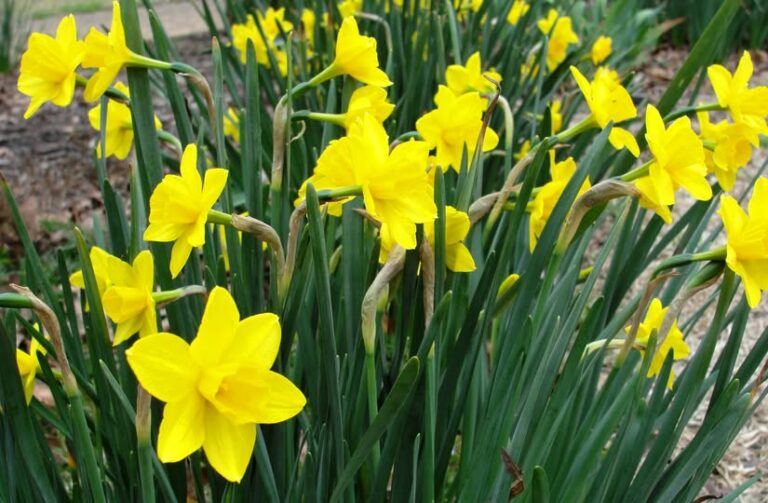
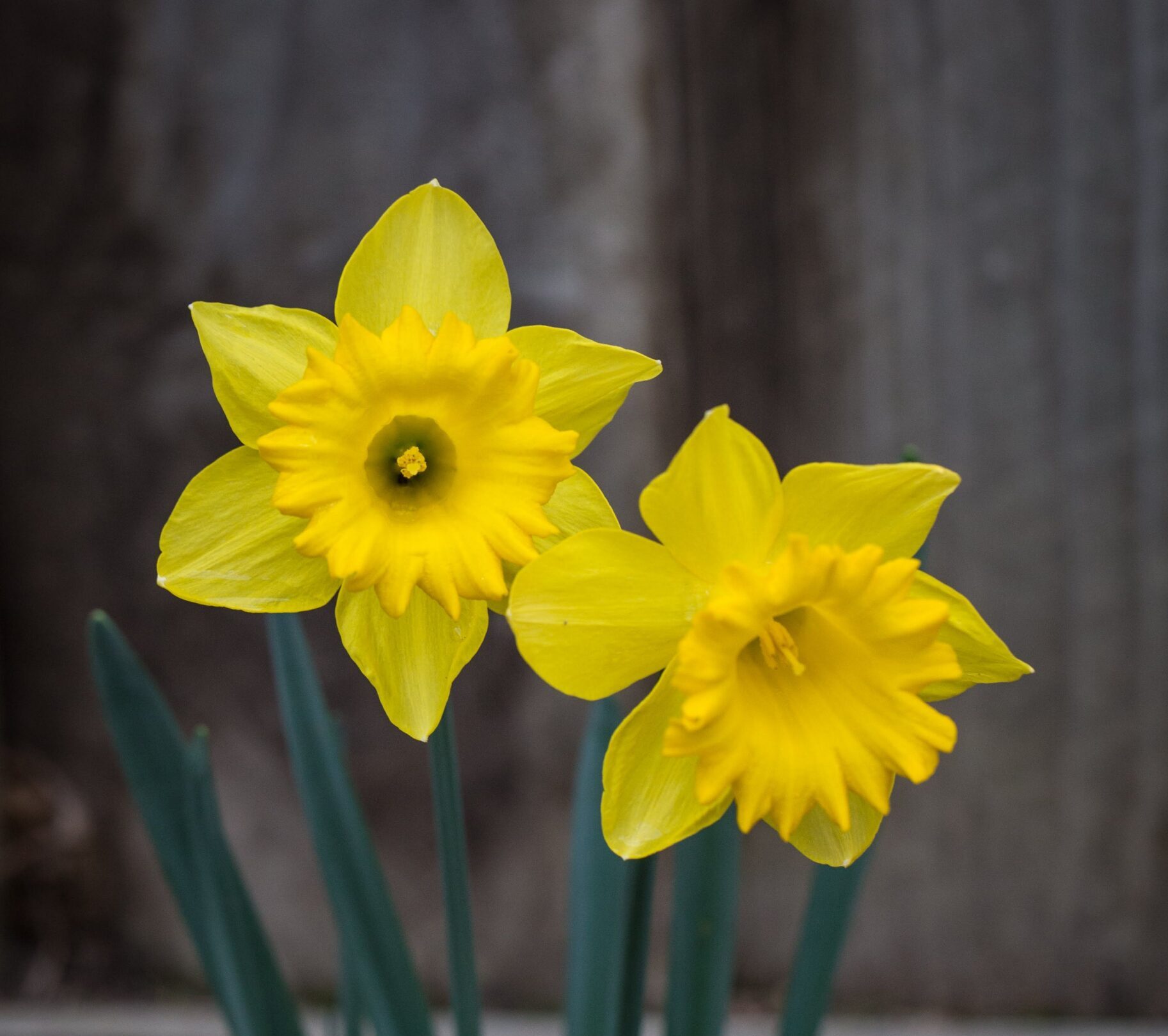
Gigantic Star is aptly named with its gorgeous 5” star-shaped flowers supported on strong sturdy stems which grow to a height of about 18-24 inches. Adorned with wide, brilliant yellow-gold overlapping petals, which resemble a star, and a frilled, vivid yellow cup, Gigantic Star is a real show stopper and will attract immediate attention in the garden! It’s known to be long-lasting and a good forcer. Excellent in zones 3-9, Gigantic star has a wonderful vanilla fragrance, and is considered to be one of the best giant yellows. Gardeners are never disappointed with Gigantic Star, which promises to become a springtime favorite.
Sun Exposure & Sunlight Requirements
Planting time should be in fall, with careful consideration given to sun exposure. This is absolutely crucial for optimal growth and bloom. Gigantic Star thrives best in 6-8 hours of full sun. While it can tolerate only part of this sun requirement, anytime it receives shade during the day, the flowering potential may be affected which will result in poor bloom.
Soil Conditions & Drainage
Attention to soil conditions is also critical. Fertile, loose, well-drained soil is preferred, as well as a pH which is slightly acidic or neutral. An acceptable pH range is 6-7. Clay soil must be amended with compost, sand, or humus to prevent water from accumulating in the soil which causes bulb rot.
Post-Bloom Care & Dormancy
After the flowers have faded, deadheading is permitted to prevent seed formation, but foliage must remain intact until it has dried and yellowed to ensure the bulb has stored enough energy to produce well the next year. This period is known as the dormancy period. Avoid watering at this time to protect the bulbs from rotting. You can resume watering in both autumn and winter if the soil is dry.
Planting Depth & Transplanting Instructions
The optimal time to transplant Gigantic Star is during mid-late autumn which allows roots to establish before winter. The planting depth is usually 3-4 times the bulb height, with spacing twice the bulb diameter. Make sure the tip of the bulb is pointing upward, cover with soil, and water well.
Bulb Sale Details & Online Ordering
This bulb will be among the many plants offered in the upcoming Bulbs to Blooms Conference and Sale on October 24th. Admission is free. The online store opens at 7:00 am on Oct 12 and closes at 10:00 pm on October 21. The in-person free conference begins at 9:00 am on October 24th. For more information, click here.. https://txmgsc.org/event/from-bulbs-to-blooms-conference-2026/ or call (903)590-2980. Hope to see you there!

Roxanne Terrell
Smith County Master Gardeners are volunteer educators certified and coordinated by the Texas A&M AgriLife Extension Service.