Butterfly Ginger Guide: Tropical Fragrance for Shade Gardens
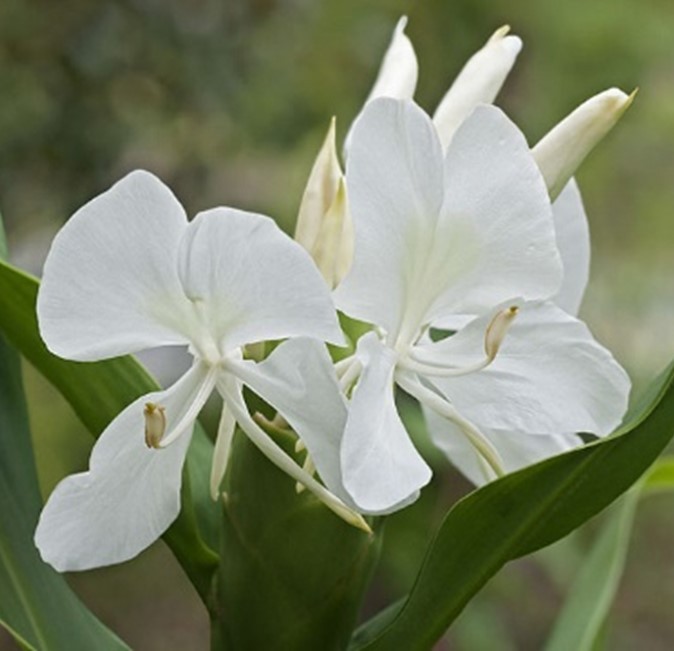
If ever a plant knew how to make an entrance, it would be Butterfly Ginger (Hedychium coronarium). With its rich, intoxicating fragrance, lush green foliage, and pure white butterfly-shaped blooms, this tropical perennial has all the makings of a true garden charmer. Also known as White Ginger, Butterfly Ginger doesn’t simply bloom—it announces itself, often with a perfume so captivating it can stop a gardener in mid-weeding. Its fragrance is especially noticeable in the early morning and late evening, when the air is cooler and the scent drifts through the garden like a cross between gardenia and honeysuckle.
Bloom Duration & Late-Season Performance
The pristine white blooms, often described as orchid-like or butterfly-shaped, are undeniably elegant, though a bit fleeting. Each individual flower lasts only a day or two, but the plant thoughtfully produces fresh blooms daily over a six-week period from late summer into early fall. In a season when many flowering plants are beginning to lose steam, Butterfly Ginger steps in as the garden’s late-season overachiever, offering both beauty and fragrance just when it is most appreciated.
Foliage & Landscape Presence
Even when not in flower, Butterfly Ginger earns its place in the landscape. Its medium-green leaves can grow up to two feet long, giving the plant a bold, tropical presence that instantly softens a shady garden bed.
Plant Origin & Pass-Along Tradition
Originally from the Himalayas, Butterfly Ginger now thrives throughout tropical regions of Asia and has become a treasured “pass-along” plant across the southern United States. Like many beloved garden favorites, it often arrives with a story and a rhizome tucked into a paper sack from a generous friend or neighbor. It is a true ginger and a member of the Zingiberaceae family, though unlike its culinary cousin, this one is strictly ornamental. In other words, admire it deeply—but leave it out of the stir-fry!
Growing Conditions, Hardiness & Propagation
Butterfly Ginger spreads through rhizomes, which typically extend two to three feet. These may be divided during the winter dormant season and replanted elsewhere in the garden or shared, continuing its long-standing tradition of making itself at home in Southern landscapes. It prefers a shady location with indirect sunlight, humus-rich well-drained soil, and plenty of warmth and humidity. Hardy in USDA zones 8 through 11, it is particularly well suited to gardens where summers are long, hot, and sticky—the sort of weather that sends most people indoors but makes tropical plants feel positively celebrated.
Winter Care & Dormancy
As winter approaches, the stems naturally turn brown and should be cut back near the rhizome to conserve energy for the following growing season. Though this annual retreat can alarm gardeners unfamiliar with its habits, the plant is not dying—it is simply resting and planning next year’s performance. This dormant period is also a good time to clean up weeds and refresh mulch around outdoor plants to protect the rhizomes from hard freezes.
Pest Management & Overall Value
Butterfly Ginger has relatively few pest problems in the landscape, though indoor plants should be monitored for spider mites and aphids. Given the right conditions, it is an easy, rewarding perennial that offers fragrance, form, and a touch of old-fashioned garden romance. For gardeners looking to add tropical elegance and a little evening perfume to the shade garden, Butterfly Ginger is hard to resist.
Bulb Sale Details & Online Ordering
Butterfly Ginger and many other outstanding spring-flowering bulbs will be available through the Bulbs to Blooms Conference and Sale, sponsored by the Smith County Master Gardeners, on Saturday, October 24. Bulbs may be ordered online starting at 7:00 am on October 12 and continuing until October 21st at 10:00 pm. Click this link to visit the event page for more information: https://txmgsc.org/event/from-bulbs-to-blooms-conference-2026/.

Todd Martin
Smith County Master Gardeners are volunteer educators certified and coordinated by the Texas A&M AgriLife Extension Service.