Spring Forerunner, the Azalea in Korea!
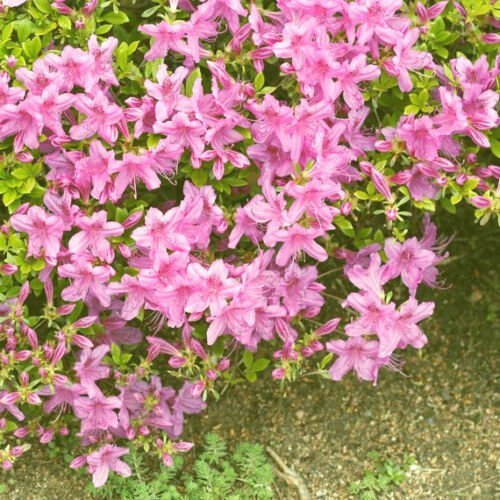
An azalea is a forerunner of spring in Korea. An azalea flower gives Koreans two things connected with happiness: the beauty of the mountains and plenty of sweet treats.
When the azalea starts to bloom, the mountains are blanketed with the pale pink color of the flowers. Specifically, the azalea is the first flower to bloom on the Korean mountains in early spring. Many people visit the famous mountains just to enjoy the beauty of the azalea flowers. They give people a chance to enjoy spring outings before farm workers begin long summer workdays.
The pink flowers can be seen under the deep green pine trees. Some areas are still cold. But the azaleas are competing with each other to bloom. They start to flower, even though the leaves are still dormant from the winter.
Horticulturists name it “Korean Rhododendron (Rhododendron Mucronulatum). The common name is azalea. Its height is like a child’s height. When it is leafed out, the flowers wither and drop. Later, the leaves cover its branches. At that point it is difficult to see the azalea bushes under the trees.
The beauty of the azalea gives Koreans another joy. They decorate rice cakes with the azalea flowers. When complete, the pink flower-covered rice cake is too precious and coveted to eat. Taste? Awesome!
Koreans also have a tradition with azalea flowers. They make rice wine (like Japanese sake) from the azalea flower, called “Doo Guyn Joo”. The pink tinted alcoholic beverage has a sweet and smooth flavor. This delicious wine is served with a Korean-style green onion pancake covered with azalea flowers. On the spring outings, people enjoy the combination of azalea wine and azalea side dishes.
The edible azalea in Korea is different from the azalea we find in local U.S. garden nurseries. The Texas AgriLife Horticulturist, Dr. Greg Grant, says that the Korean edible azalea is a “deciduous azalea”. He advised the Master Gardeners under his leadership never to eat the evergreen azalea flowers that grow in the U.S.
Korean farmers differentiate edible azaleas from other azaleas. They teach their children that the azalea flowers on bushes with leaves are poisonous. So, their children select only the azalea flowers blooming in spring, before the leaves are out, for their edible treats.
The plan now is to introduce the people of Tyler, TX to Korean azalea wine and azalea rice cakes in the spring as they celebrate the blooming season of their own azaleas.
Smith County Master Gardeners are volunteer educators certified and coordinated by the Texas A&M AgriLife Extension Service.
Karl Han
Smith County Master Gardner