Doodling Around
Every now and then a small, ordinary critter carries you straight back to childhood. For me, nothing does it faster than a doodlebug. Long before I knew the name “ant lion” or understood anything about entomology and insect life cycles, I knew the joy of crouching in the sand, piddling with a pine needle, and watching that tiny funnel of soil spring to life. If you grew up in East Texas, chances are you spent at least a few summer afternoons doing the same thing.
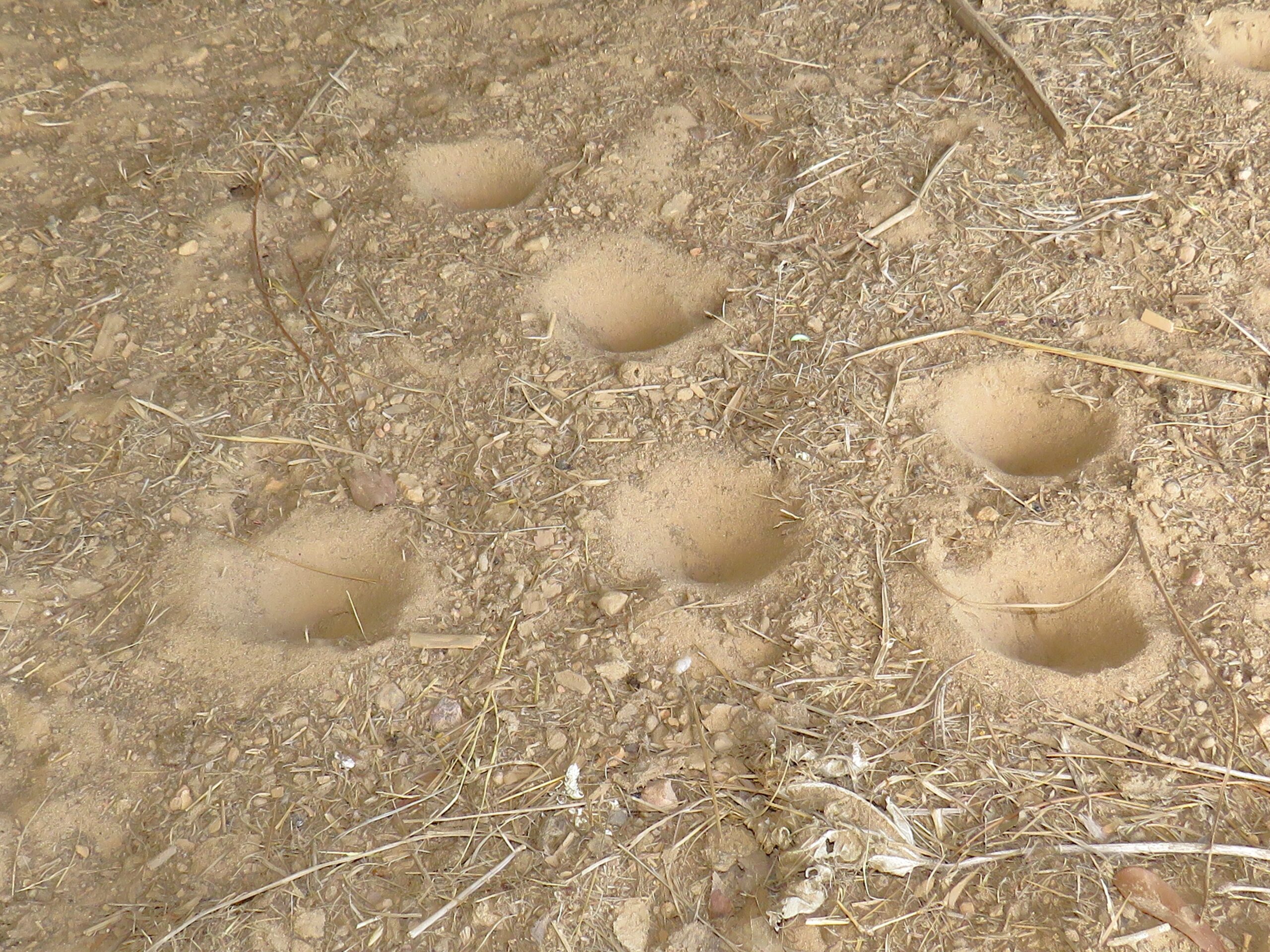
Doodlebugs are the larval stage of a delicate, dragonfly‑like insect called an ant lion. The adults are graceful and short‑lived, but the larvae are the ones we remember. They live in dry, powdery soil and dig those perfect little craters that look like miniature meteor impacts. To a child, they seem like magic. To an ant, they are a death trap.
The doodlebug sits buried at the bottom of its pit with only its jaws exposed. When an ant or small insect slips on the loose sand and tumbles downward, the doodlebug flicks grains of soil upward, causing a tiny landslide that pulls the prey right into its waiting jaws. It is one of the simplest and most effective traps in the insect world, and it has been operating quietly in East Texas for thousands of years.
As kids, we didn’t need to know any of that. All we needed was a shady spot under the barn, a patch of soft sand, and a pine needle to “doodle” around the pit of a crater. The doodlebug would respond by tossing up a few grains of sand, and that was enough to convince us we had made contact with a mysterious underground creature. It was a small thrill, the kind that sticks with you long after you grow up.
Gardeners still encounter doodlebugs, usually in the same dry, protected places where we found them as children. They prefer loose, sandy soil that stays sheltered from rain. You will find their pits under sheds, beneath the overhang of barns, below decks, and in the dry corners of flowerbeds that never see irrigation. They do no harm to plants. In fact, they help control ants and other small insects.
If you want to encourage doodlebugs in your landscape, all you really need is a patch of dry, undisturbed soil. They are not picky. They simply need a place where the sand or silt stays loose enough to collapse when they flick it. Avoid raking, mowing, or disturbing the area too often, and they will set up shop on their own.
In a world full of complicated problems, there is something comforting about a creature that has not changed its ways in millions of years. The doodlebug is still doing exactly what it did when we were children, and long before that. It is a reminder that nature’s small wonders are often right under our feet.
Greg Grant, Ph.D., is the Smith County horticulturist and Master Gardener coordinator for the Texas A&M AgriLife Extension Service in Tyler. He is the author of Texas Fruit and Vegetable Gardening, Texas Home Landscaping, Heirloom Gardening in the South, and The Rose Rustlers. You can read his “Greg’s Ramblings” blog at arborgate.com, find his “In Greg’s Garden” column in each issue of Texas Gardener magazine (texasgardener.com), or follow him on Facebook at “Greg Grant Gardens” or “Pines, Pawpaws, and Pocket Prairies.” More science-based lawn and gardening information from the Texas A&M AgriLife Extension Service can be found at aggieturf.tamu.edu and aggie-horticulture.tamu.edu, or by contacting the Smith County Master Gardener Help Desk at 903-590-2994 or SmithMGHelpDesk@gmail.com.