Zowie Zinnias!!
Sure, “Z” may be the caboose of the alphabet, but when it comes to garden glamor, zinnias charge in like fireworks at a summer festival—bright, bold, and impossible to ignore. My own love affair with zinnias began when I was ten. We had just moved into a new neighborhood, and I remember riding past a house with the most spectacular backyard I’d ever seen. It was an explosion of color—red, pink, orange, yellow, purple—like someone had spilled a painter’s palette over the lawn. There must have been thousands of blooms, swaying in the sun. I asked what they were, and someone said, “Zinnias.” Just the name sounded zippy and full of life.
Back then, my mother’s garden leaned practical—shrubs and vegetables—but that riot of flowers planted a seed in me. I made a vow right then: one day, when I had a garden of my own, it would be full of zinnias. And it is.
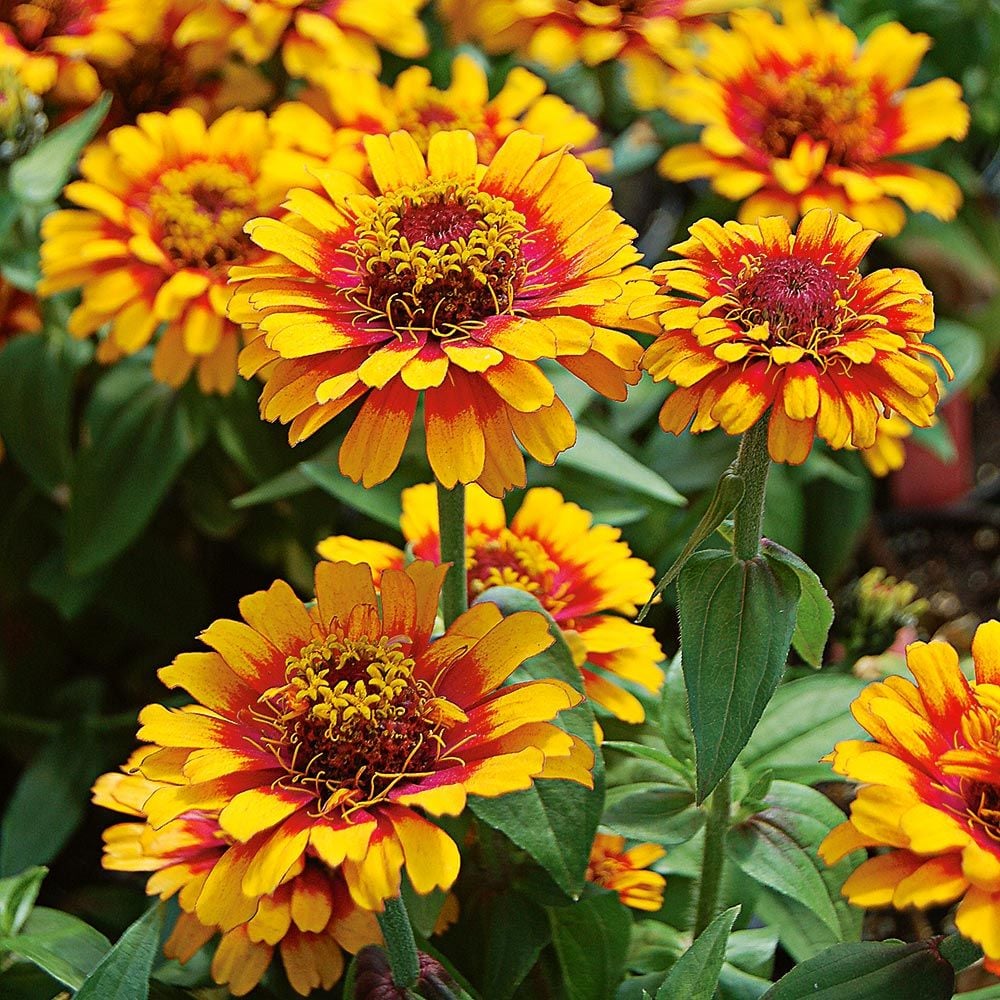
Zinnia elegans, the common zinnia, is anything but ordinary. With blooms that range from dainty pom-poms to bold, dahlia-like heads, and colors that span fiery reds, citrusy oranges, lemon yellows, soft blush pinks, and regal purples, they bring drama and joy to any garden. Their ability to thrive in the heat of summer makes them a go-to choice for sunny spaces, and they’re wonderfully simple to grow—from seed or from starter plants found at almost any nursery.
Once you get them going, zinnias grow fast and bloom profusely, stretching their season from early summer right through fall’s final warm days. Their one-season life cycle packs in a whole lot of performance. Plant them in rich, well-drained soil with full sun, and they’ll reward you with a season-long spectacle. Since the 19th century, breeders have introduced over 100 dazzling cultivars, offering gardeners a nearly endless variety to choose from.
Zinnias are delightfully low-maintenance. Once established, they only ask for regular watering and a bit of deadheading to keep the blooms coming. They don’t beg for constant feeding and can even handle a little neglect—making them perfect for both beginner gardeners and busy plant lovers alike.
But these beauties aren’t just for show—they’re also pollinator magnets. Bees, butterflies, and hummingbirds flock to the bright, nectar-rich blooms like guests to a summer picnic. And if you love bringing the garden indoors, zinnias make exceptional cut flowers, holding their color and shape in a vase for up to two weeks. In fact, the more you cut, the more they bloom—how’s that for generosity?
While zinnias are generally resistant to disease, they can sometimes develop powdery mildew in humid conditions. A bit of spacing for airflow and careful watering at the base can help keep your plants healthy and happy.
Lois Kelly
Smith County Master Gardener