Geraniums
Originally discovered in South Africa in some 250 varieties they found their way to America. Give credit to our President Thomas Jefferson who imported them from France in 1786.
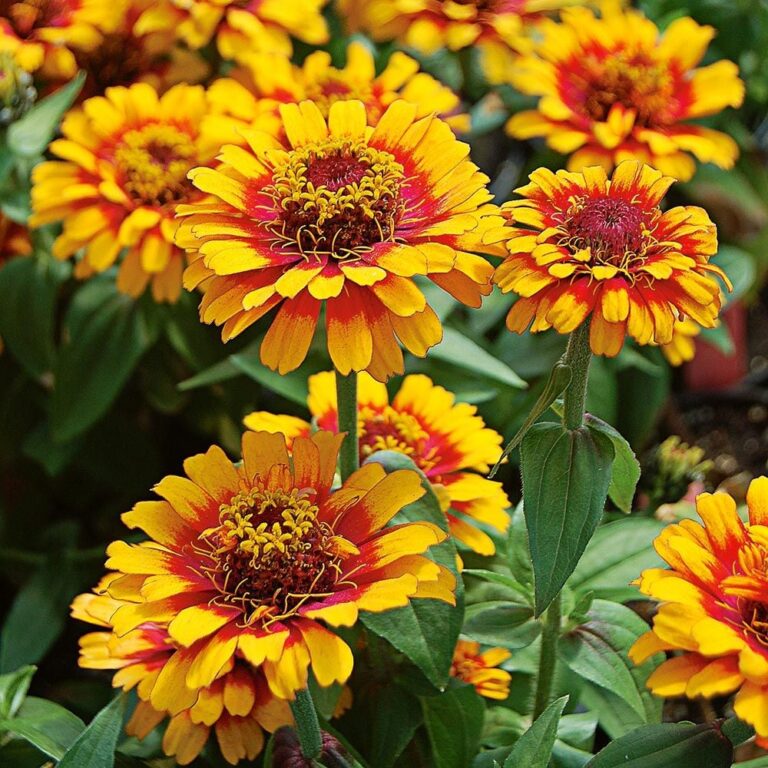
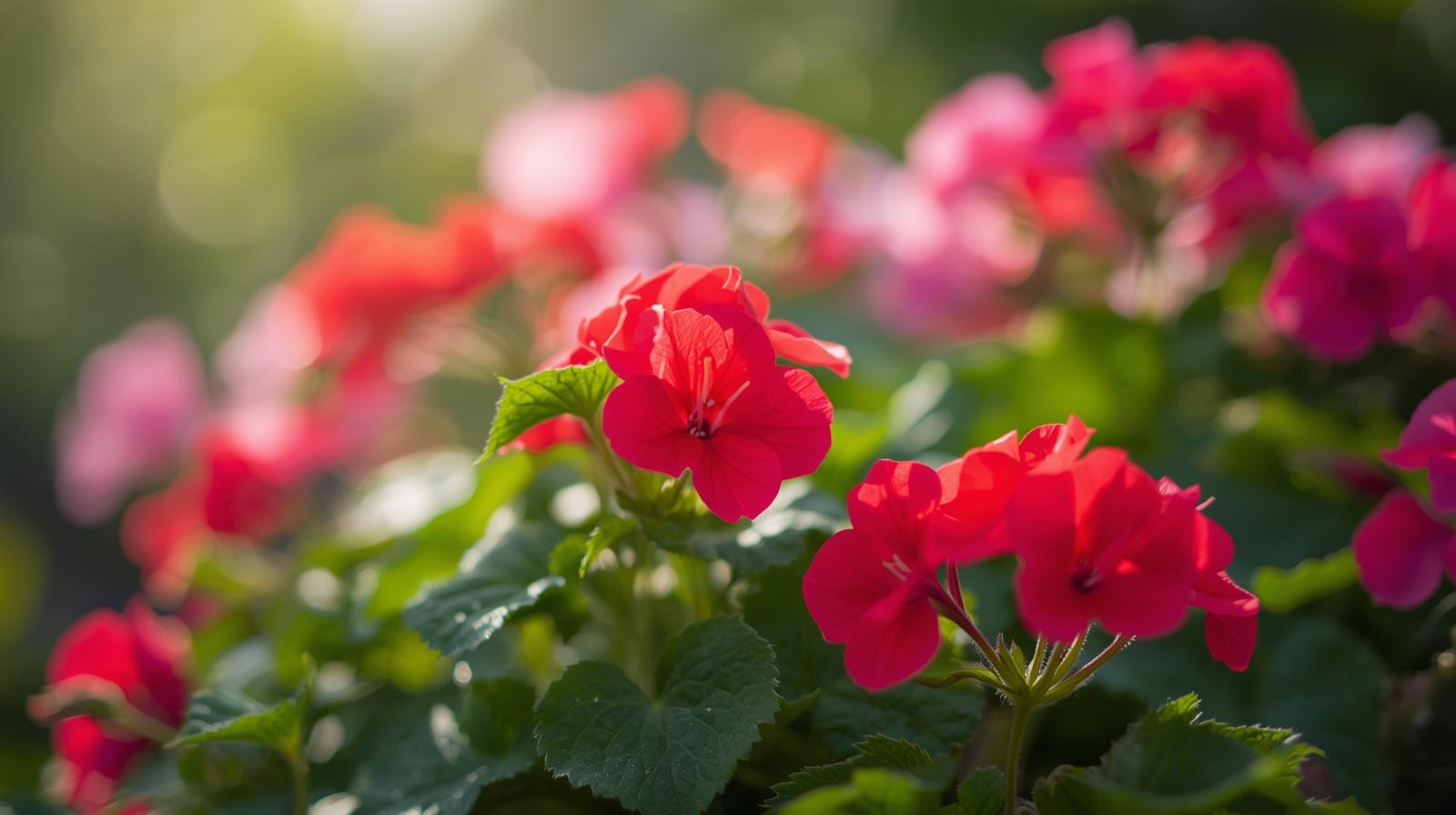
Geraniums are often the first bright and bold flowers available in Spring preferring the cooler months of March thru May with temperatures between 60 and 80F. Look for the Caliente and Calliope series in nurseries since these are bred for heat and drought tolerance, meaning Texas. Growing to between 12 and 18 inches tall and wide they’ll provide red, orange, coral, pink, violet, white and other solid colors, but there are also beautiful bicolored blossoms. Landscape in runs or bunches of ten and less so in containers.
Geraniums require at least 6 hours of sun and moist, not wet, loose and loamy soil (potting mix is best for containers). Deadheading spent blossoms and pinching back spindly stems produces more blossoms with bushy foliage. Feed them every two weeks with half-strength liquid fertilizer during the growing season.
Mobile planters or pots are best since these can be moved to cooler spots as summer sun and heat presents a challenge. Deer tolerant, weeds don’t like them, Japanese beetles hate them and butterflies love them. They can be overwintered easily providing them sufficient, and less fertilizer and water (be watchful for mealy bugs, white flies and spider mites). When Spring approaches you can thin them out and start them in perlite, potting mix, sand and even in water to jump start your landscape.
Scented geraniums aren’t simply a pretty garden item. Leaves and petals of scented geraniums are edible, i.e., lemon scented varieties can punch up a salad, sorbet or tea. Peppermint scented geraniums will make your lemonade stand sellout while rose scented geraniums provide a sophisticated note to puddings, cakes or other desserts.
There’s more. A gentle East Texas breeze causes the flower to release their perfume. Wonderful? Well, mosquitoes, wasps and many pesky bugs disagree, they avoid them. So, sip your geranium peppermint tea while nibbling on a rose scented tea cake and, relax.
Smith County Master Gardeners are volunteer educators certified and coordinated by the Texas A&M AgriLife Extension Service.
Larry McCarver
Smith County Master Gardner