
Plantsgiving
When we think of Thanksgiving, we usually picture roasted turkey, mashed potatoes, stuffing, and family gatherings. But beneath all of that is a deeper truth: Thanksgiving is, in many ways, a celebration of plants – of harvest, seeds, foliage, color, and the natural rhythms of the earth, thus – Plantsgiving!
Thanksgiving is more than just a feast – it’s a celebration of the harvest, of gratitude, and of the bounty of the earth. Many of the vegetables that find their way to the Thanksgiving table carry rich symbolism tied to history, culture, and the season itself. Here’s a look at some of the most iconic Thanksgiving vegetables and what they represent.
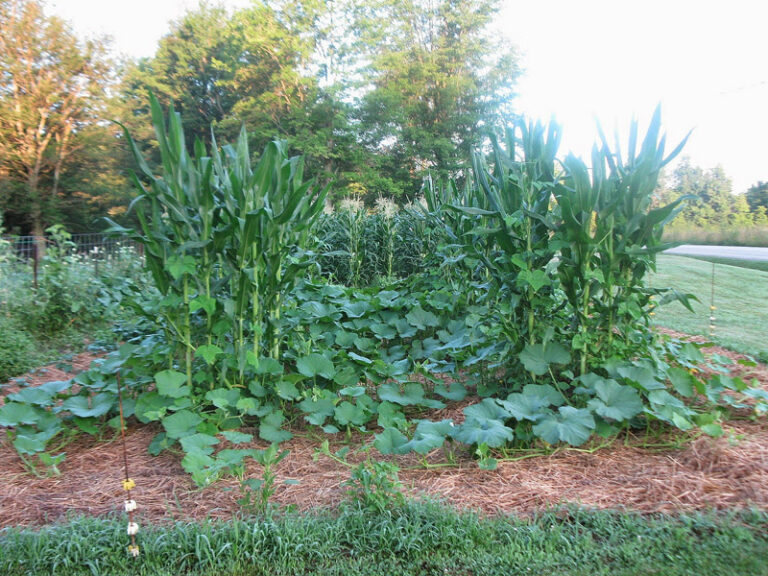
Native tribes used corn, beans, and squash together in an agro-ecological method called the “Three Sisters’ planting system.” In a technique known as companion planting, the maize and beans are often planted together in mounds formed by hilling soil around the base of the plants each year; squash is typically planted between the mounds. The cornstalk serves as a trellis for climbing beans, the beans fix nitrogen in their root nodules and stabilize the maize in high winds, and the wide leaves of the squash plant shade the ground, keeping the soil moist and helping prevent the establishment of weeds.
Corn (Maize) is deeply rooted in the story of Thanksgiving and the agricultural practices. It was used as meal, porridge, and even mush. Symbolically, corn stands for sustenance, survival, and gratitude. It was literally a crop that helped early settlers and Native Americans get through the seasons. The use of corn at Thanksgiving evokes the idea of sharing what the land provides, and acknowledging the role of Indigenous knowledge in those harvests.
Squashes, especially pumpkins are quintessential fall vegetables. They have deep American roots. Squashes are the oldest cultivated crops of the Americas. All global varieties of squash, including pumpkins originated in the Americas. Symbolically, their large, round shape and vibrant orange color connect to the earth’s abundance, harvest fullness, and the turning of the season. Pumpkins are a favorite fall vegetable. On the Thanksgiving table, pumpkin pie or roasted squash thus become markers of the season’s bounty, native agriculture, and the harvest’s generosity.
Sweet potatoes have become a beloved part of many Thanksgiving menus. Their significance is both practical and symbolic. Sweet potatoes may feel like an autumn classic in North America, but their roots stretch far deeper. The earliest cultivation records of the sweet potato date to 750 BC in Peru, although archeological evidence shows cultivation of the sweet potato might have begun around 2500-1850 BC. By the time Christopher Columbus arrived in the New World in the late 15th century, sweet potatoes were well established as food plants in South and Central America.
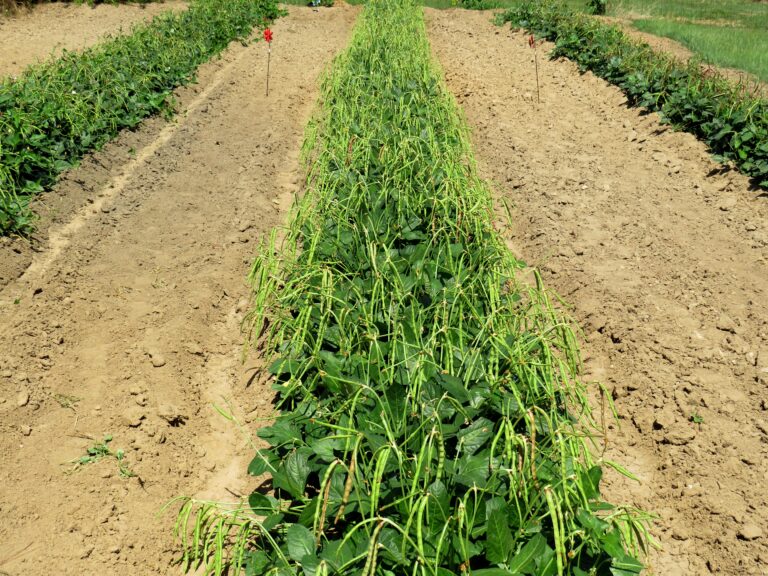
Beans often play the less-celebrated but equally meaningful role in the harvest narrative. They are one of the components of the “Three Sisters” agricultural tradition: corn+squash+beans. All three crops work together in harmony for mutual benefit. Symbolically, beans represent interdependence, cooperation and the wisdom of native agricultural systems. Including them on the Thanksgiving table pays homage to the agricultural knowledge that made survival possible.
Beyond individual veggies, the colors and seasonality carry their own symbolism. Autumnal hues – deep oranges, golds, warm yellows – speak transition, maturity, and the cycle of growth. Vegetables of the season, harvested at their peak, become not only food but statements of nature’s rhythm, the changing year, and the gratitude we feel for both.
When we look at the vegetables on our Thanksgiving table, we’re looking at more than side dishes. We’re connecting with:
History – Indigenous agricultural practices, native crops, colonial-era foodways.
Harvest & abundance – Acknowledging that food comes from the land, often through labor, care, and community.
Seasonal transition – Recognizing that the growing season ends, winter approaches and still the table is full.
Gratitude & sharing – The idea that we gather, we share what we have, we give thanks.
Thanksgiving vegetables thus are far more than filler on the plate – they’re rich with meaning, rooted in tradition, and connected to the land and seasons. So remember, this Thanksgiving when you serve that roasted squash or that sweet potato casserole, you’re also serving a little piece of the great story of our country.
Smith County Master Gardeners wish you and your families a Happy Plantsgiving!
Smith County Master Gardeners are volunteer educators certified and coordinated by the Texas A&M AgriLife Extension Service.
Lynn McGinnis
Smith County Master Gardener