What is responsible for killing your landscape plants and trees?
A large tree and a beautiful rose were gone in my landscape over the years. The tree was an October Glory Maple (Acer Rubrum). The rose bush was the Knockout Rose (Rosa Cultivar).
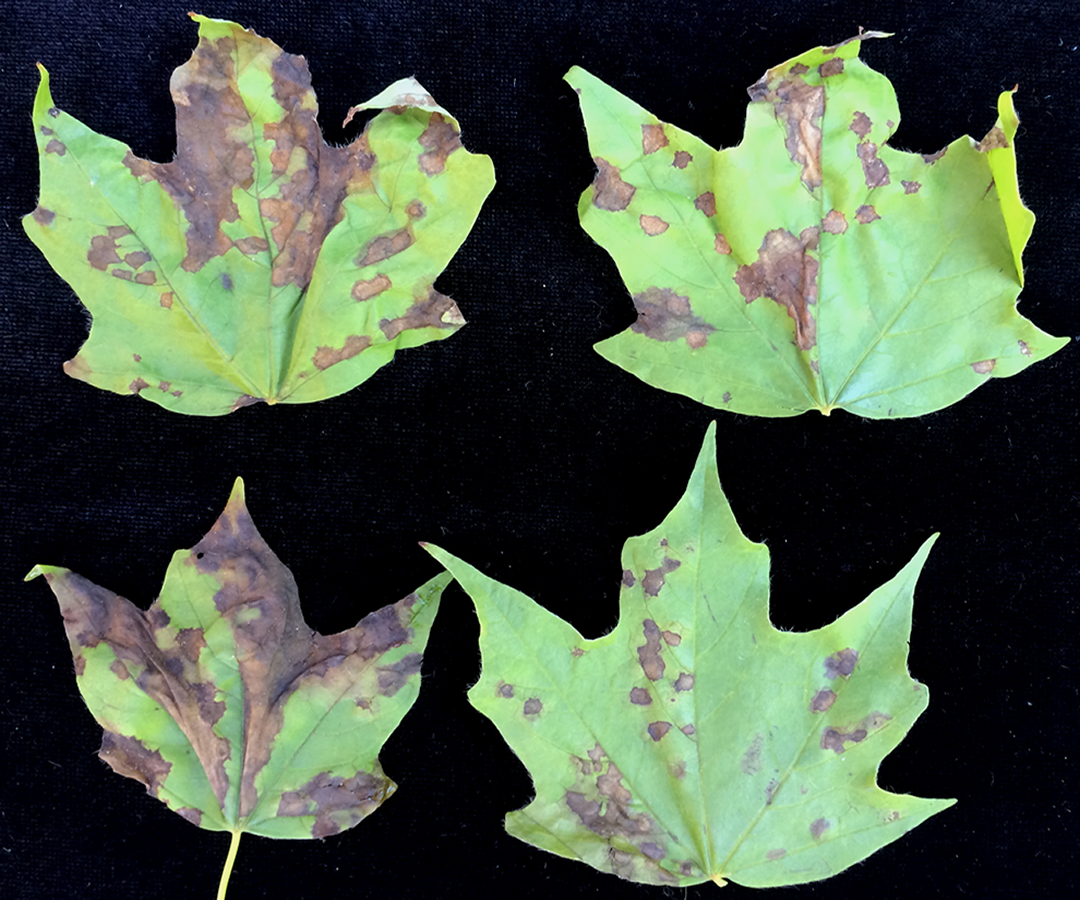
Let me first describe for you the symptoms of the maple tree that I never noticed. In the early summer, the Maple tree’s leaves turned red from the top of the tree down. I thought it was a gift, as I had just moved from Abilene, Texas, to East Texas and was not familiar with Maple trees. It was exciting to see the red maple leaves during the summer. I assumed it was normal. Several months passed, and the leaves turned black around the edges. The black leaves fell in the wind like a blizzard. The fallen leaves covered my green grass yard. I rushed to a neighborhood garden store. One of the employees recommended I spray a fungus killer. I did it. It looked as though it worked. New leaves came out. But it did not last long. The new leaves turned brown and eventually fell. I bought a more substantial and complicated fungus-killer spray. I sprayed it all over the tree. Sadly, it did not work either.
I inspected and pulled off damaged bark. I found lots of larvae on the tree. There were no windbreakers in my subdivision, which was developed on a ranch. Strong winds hit the thin maple trees, causing them to bend significantly. Winter chill attacked the weakened trees’ bark. Maple sap, coming out of the split bark during the spring, attracted insects. Insects laid eggs under the bark and made an insect family’s home. I did not notice it until the tree was almost dead. Several maple trees planted in my home subdivision have undergone the same fate. Eventually, I was forced to cut down the 20-foot-high maple tree in the late spring. The maple tree needed an insecticide spray and firm support against the wind. I had to cut it down before it died. I might still get lucky and find a new sprout from the roots next year. My mistake was that I did not notice the damaged bark, which made it susceptible to insects.
The second plant I lost was a Knockout Rose bush. I heard the rose was a low-maintenance shrub. The rose blooms were small after being planted for 2 years. The color turned dark. Rose buds dangled a lot on one stem. I thought it was because of Abilene, Texas’s hot and dry weather. I sprayed lots of water on the flower. More buds came out on one stem. I cut out some of the buds and dirty flowers. Looked better. But it was still strange. I took one of the buds and flowers to a botanist. He said it was infected with rose rosette disease. I had never heard of this disease. (I am a retired newspaper journalist.) He advised me to dig up the plant, including all the rose roots. I realized I could have spread this rose disease not only in my garden, but to the neighborhood roses. Dr. Greg Grant, the Smith County Agrilife Horticulturist, said there was no cure for rose rosette.
Two landscape features died because of a homeowner’s lack of knowledge and proper research.
Smith County Master Gardeners are volunteer educators certified and coordinated by the Texas A&M AgriLife Extension Service.
Karl Han
Smith County Master Gardener