
Life of the Loofah
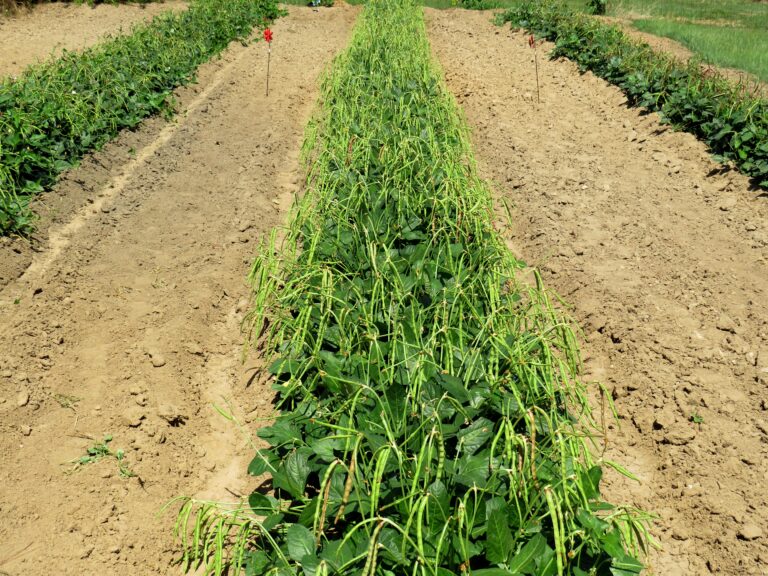
During a visit to a friend’s garden, I noticed some vines on the fence that had the most beautiful yellow flowers. There were also long green pods, resembling zucchini, that measured about 18 inches in length. When I asked about them, my friend explained, “Oh, those are loofahs.”
In the fall, the outer part of the loofah turns brown and becomes hard and crunchy. Before the first frost, you can harvest them. Once you pick off the outer shell, you’ll find the loofah inside, which is filled with seeds that can be shaken out and saved for planting in the spring. You can end up with hundreds of seeds to share with friends.
Loofah sponges are great to use in the shower. When wet, they soften, allowing you to add your body wash for a good scrub. They dry quickly and last a long time. Additionally, you can cut them into smaller pieces to use as pot scrubbers. You’ll find that loofahs are some of the best scrubbers available, even for cast-iron skillets!
Loofah, with the Latin name Luffa Acutangula, originated in Southeast Asia. When harvested while still young, loofahs can be eaten as a vegetable and taste somewhat like zucchini. They became popular in the United States in the mid-1800s for use in bathing.
Whether you grow loofahs for their beautiful vining flowers, as a natural exfoliant for bathing, or simply to enjoy watching bees pollinate them, your neighbors will likely be curious and ask, “What are those?” They may even request some seeds to grow their own!
Smith County Master Gardeners are volunteer educators certified and coordinated by the Texas A&M AgriLife Extension Service.
Michelle Moore
Smith County Master Gardner