
Fall is for Planting
November in East Texas is a season of change. The mornings are crisp, the afternoons are pleasant, and the leaves crunch underfoot as the landscape shifts into its autumn wardrobe. Many folks assume the garden is finished for the year, but the truth is this is the very best time to plant trees, shrubs, and woody vines. Our mild, moist dormant season gives them a chance to get rooted in before the next hot, dry summer.
When you plant in fall, roots grow steadily in the still‑warm soil while the tops rest in the cool air. By the time spring arrives, those roots are established and ready to support vigorous new growth. That’s why maples, oaks, pecans, and pines all do better when planted now. Hollies, camellias, roses, and hydrangeas also appreciate the head start, and vines like Carolina jessamine, coral honeysuckle, and crossvine will reward you with stronger growth next year.
Fall planting isn’t just for woody plants. Pansies, violas, snapdragons, and dianthus thrive in cooler temperatures, bringing cheerful color through the winter and early spring months. Perennials such as native columbine, coneflowers, and yarrow planted now will be well‑rooted and ready to burst into bloom when spring arrives.
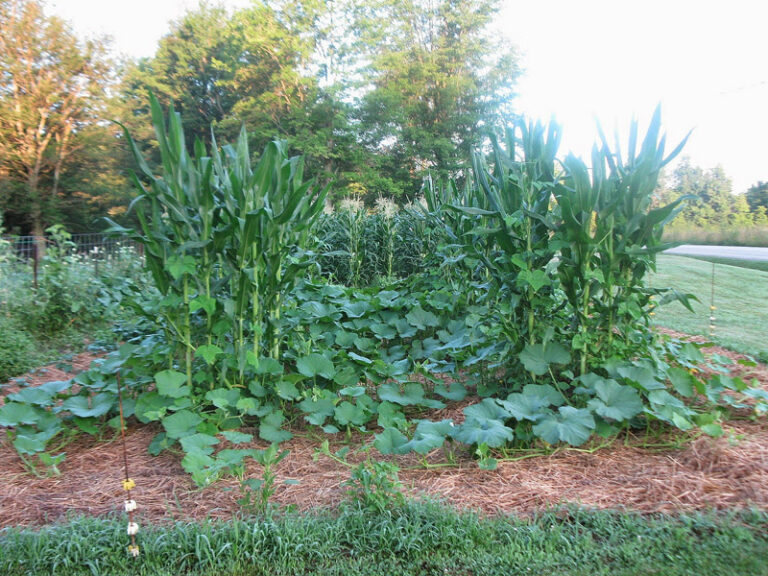
The vegetable garden shines in fall as well. Spinach, kale, and lettuce transplants flourish in the cooler weather. Carrots, beets, turnips, and radishes develop sweeter flavors when grown in mild conditions. Broccoli, cauliflower, and cabbage are excellent choices for East Texas gardeners who want fresh produce well into winter. I’m picking turnip and mustard greens now.
To make the most of fall planting, prepare your soil with compost or organic matter to loosen and enrich it. Water after planting and during dry spells, because even in cooler weather new plantings need moisture. Mulch generously with pine straw, bark, or shredded leaves to conserve water and protect roots. And always match plants to the conditions you have, whether sun, shade, soil, or drainage.
Fall planting is easier on us, too. The weather is pleasant, nurseries are getting restocked, and the work feels less like a chore than it does in the heat of summer. By spring, your garden will look established, and you’ll enjoy the satisfaction of knowing you gave your plants the best possible start.
So, before you pack your garden gloves away, remember that fall is for planting. In East Texas, this season offers the perfect opportunity to be thankful for what you have and to invest in your future landscape.
Greg Grant, Ph.D., is the Smith County horticulturist and Master Gardener coordinator for the Texas A&M AgriLife Extension Service in Tyler. He is the author of Texas Fruit and Vegetable Gardening, Texas Home Landscaping, Heirloom Gardening in the South, and The Rose Rustlers. You can read his “Greg’s Ramblings” blog at arborgate.com, read his “In Greg’s Garden” in each issue of Texas Gardener magazine (texasgardener.com), or follow him on Facebook at “Greg Grant Gardens” or “Pines, Pawpaws, and Pocket Prairies.” More science-based lawn and gardening information from the Texas A&M AgriLife Extension Service can be found at aggieturf.tamu.edu and aggie-horticulture.tamu.edu.