Fruit Woes
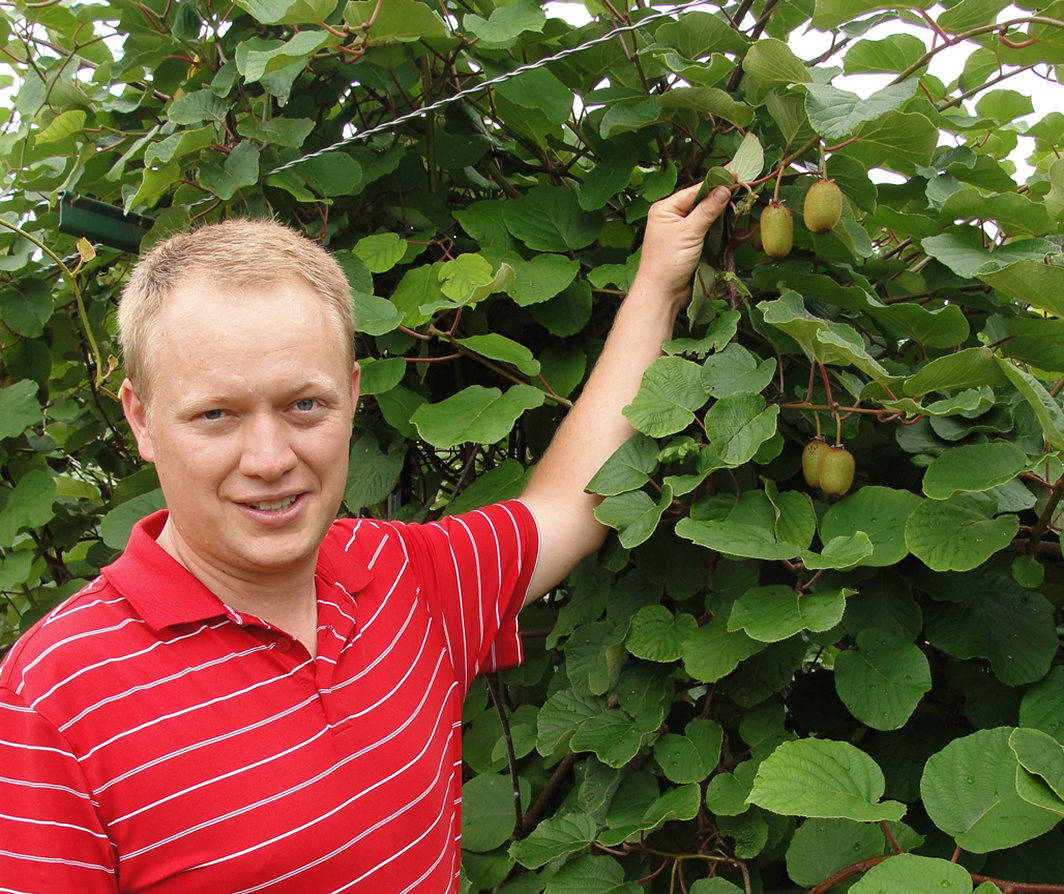
It’s been a tough year for fruit trees. Here’s an excerpt from my friend Dr. Tim Hartmann’s Texas Fruit Newsletter. Tim is our Extension Fruit Specialist in the Department of Horticultural Sciences at Texas A&M University:
“As we approach the end of the spring season, it’s becoming more and more evident how yields are shaping up for different fruit crops. Unfortunately, it’s not looking good for many. While it’s safe to say that there’s no such thing as a “normal year”, weather-wise in Texas, 2026 has so far proven highly unusual. With the exception of an unseasonably cold stretch in the latter half of January, this past winter was notably warm. Of course, this raised concerns about winter chilling. On the flip side, the hard freezes on January 25-27 and frost (for many) on March 17th were also sure to bring challenges. Peach growers across the state noticed the tell-tell signs of insufficient chilling: delayed bud break; reduced bloom; sparse foliage development; poor fruit set; lots of small “nubbins” or “second crop” that fail to size; excessively pointy fruit. What’s interesting about this situation is that, based on the numbers (at least the “Old 45°F Model”), we should have fared better. However, closer examination revealed several complications.”
“Much of the chill hours that were logged during the late January cold snap occurred when temps were below freezing. Studies have also shown that a given amount of chilling over the winter is not as effective if it’s all received toward the end. Also, the unusually, often record, warm temps over much of the winter likely resulted in negation of much of the previously accumulated chill. Another factor that should not be overlooked is that the warm fall and December resulted in the retention of foliage on many crops as late as January, which has been documented to inhibit chilling accumulation. Lastly, while last summer was generally mild and wet, the onset of heat and drought in early fall and resulting stress didn’t put plants in a good position going into the winter. All this has resulted in many crops responding as if they were 200 or even 300 chill hours below average. These effects extended into crops that usually aren’t of as much concern like blackberries, particularly some of the newer varieties. As if this wasn’t bad enough, the frost on March 17th took out many of the early-blooming peach varieties whose low chilling requirements were actually satisfied. Simply put, we were hit from “both ends” this year. That same frost also proved devastating for most blueberry growers in East Texas who did not have frost protection in place.”
“As we move further into a season with a reduced berry crop and light/spotty stone fruit crop for many growers, we’re looking for a silver lining. For many, the freeze in January wasn’t hard enough to inflict severe damage on marginally hardy fruit like figs and pomegranates. The outlook for pear and apple varieties that received adequate chilling also appears positive. The strawberry crop has been moderate to good. Lower-chill crops like Asian persimmon and pecan that tend to be later-blooming also look good. The woes of this season also serve as a reminder
to carefully consider chilling requirements for variety selection and to try to stay as close as possible to what’s expected for your area.”
To subscribe to his expanded quarterly Texas Fruit Newsletter email Dr. Hartmann at Timothy.Hartmann@ag.tamu.edu.
Greg Grant, Ph.D., is the Smith County horticulturist and Master Gardener coordinator for the Texas A&M AgriLife Extension Service in Tyler. He is the author of Texas Fruit and Vegetable Gardening, Texas Home Landscaping, Heirloom Gardening in the South, and The Rose Rustlers. You can read his “Greg’s Ramblings” blog at arborgate.com, find his “In Greg’s Garden” column in each issue of Texas Gardener magazine (texasgardener.com), or follow him on Facebook at “Greg Grant Gardens” or “Pines, Pawpaws, and Pocket Prairies.” More science-based lawn and gardening information from the Texas A&M AgriLife Extension Service can be found at aggieturf.tamu.edu and aggie-horticulture.tamu.edu, or by contacting the Smith County Master Gardener Help Desk at 903-590-2994 or SmithMGHelpDesk@gmail.com.