What’s Your Garden’s pH? Why Should You Care?
Picture this. You’re ill, in the hospital, and the nurse’s face shows concern. She reviews your lab report, which shows an abnormal pH. She informs your physician, who then determines a treatment plan, and then he calls upon the pharmacist to formulate the response.
Huh?
Your normal pH is 7.4 (7.35-7.45) on a scale of 1 to 14; it’s roughly in the middle (water’s pH is 7.0). Plants’ pH preferences range from 5 to over 8. However, if your pH drops to 6.8 or rises to 7.8, well, I hate funerals.
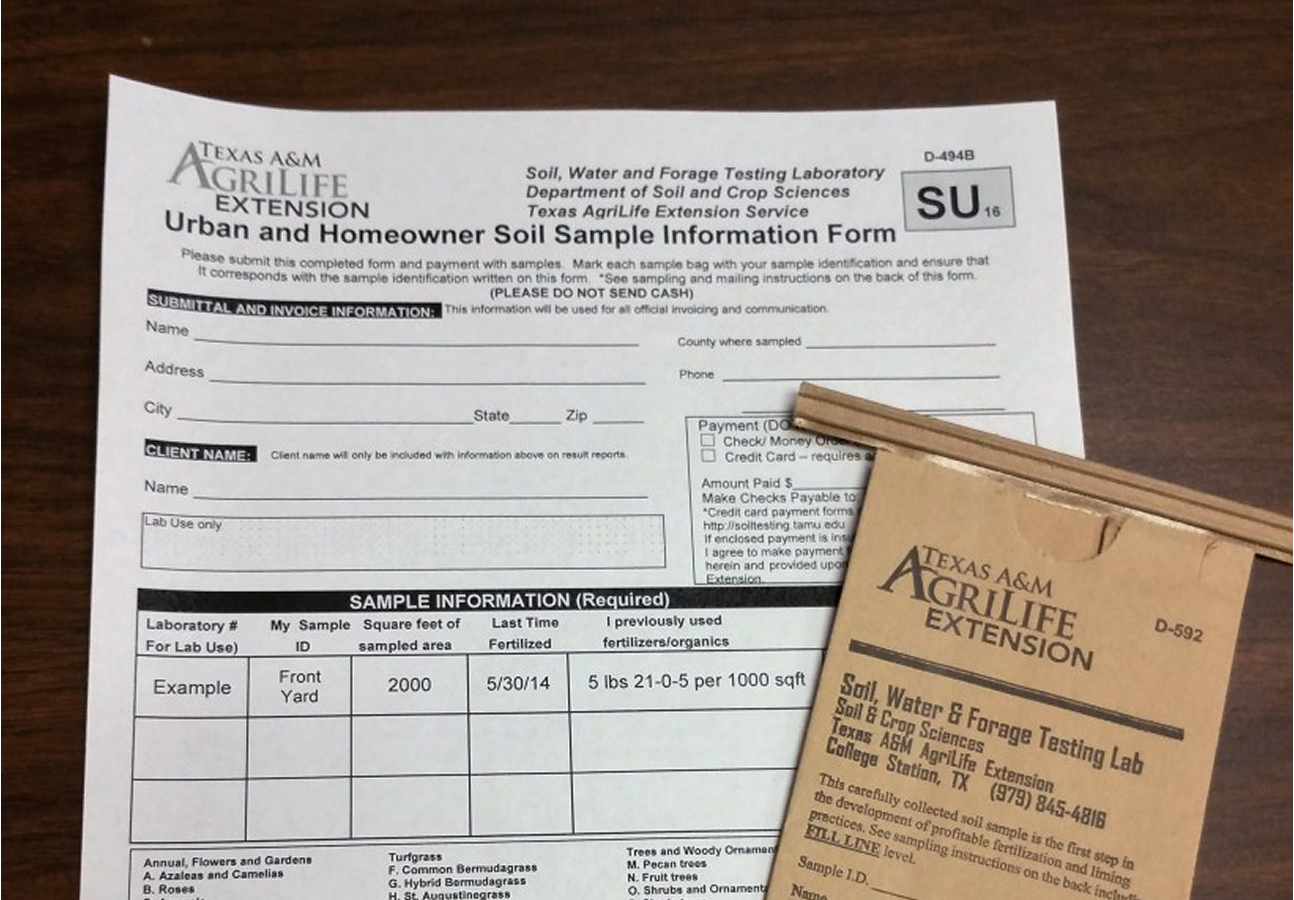
Testing your soil’s pH annually may well determine your success in this year’s garden. Go to the Smith County extension office and pick up the proper forms and a sample bag. Follow the directions and wait for the results. Follow the Texas A&M guide and amend the soil. Do it now!
pH (<5.5) can affect the soil’s micro bacteria, reducing their ability to break down plant material to produce needed nutrients; however, another needed biological helper – fungi- thrives.
Pesticides are affected; they may bind to the soil’s clay component, or microbial activity may degrade them. Club foot affecting brassicas (cabbage, radishes, collard greens, cauliflower, broccoli) is reduced at a soil pH of 7.0-7.3. However, if potato scab is an issue, having a soil pH of 5.0-5.2 will aid in control.
If your soil is acidic and its pH is less than 6.0, you’ll likely need to add lime or calcium carbonate to cautiously raise the pH to between 6 and 7, which is sort of the sweet spot. Phosphorus, potassium, and nitrogen are less readily absorbed at such a low pH; soil levels of magnesium and calcium drop. Acidic soil releases aluminum, manganese, and iron in possibly toxic levels. Heavy metals such as copper, lead, and mercury become factors that are toxic to plants and humans.
However, if your soil’s pH is over 8, it’s too alkaline. Acidification is easier; you may use compost, peat moss, sulfur, or the sulfates of aluminum, ammonium, or iron to amend your soil. Of all the nutrients your plants require, 14 of 17 come from the soil. Having an ‘out-of-range’ pH may determine whether they can be absorbed and used by your plants.
Now, in-depth guidelines on soil amending are beyond the scope of this ‘heads-up’ article. And there is no winner-take-all target pH. Fudging the number a little either way will positively affect various plants, a bumper crop of one fruit or vegetable, and maybe not so much of another. Base hits with an occasional home run win the game.
Plants that thrive in acidic soil include blueberries, potatoes, sweet potatoes, radishes, parsnips, carrots, strawberries, peppers, tomatoes, certain bush beans, and kale. Those that go either way or prefer alkaline soil include asparagus, beets, cabbage, cauliflower, carrots, pole beans, cucumbers, pumpkins, summer squash, Brussels sprouts, kale, garlic, arugula, broccoli, lettuce, okra, spinach, turnips, collard and mustard greens, Swiss chard, Lima beans, chives, radishes, and corn.
Raised bed gardening, with some ‘acidic’ beds and other ‘alkaline’ beds, may be your best bet for your favorite fruit or vegetable. This will require planning, testing, and diligence. So do it now.
Smith County Master Gardeners are volunteer educators certified and coordinated by the Texas A&M AgriLife Extension Service.
Larry McCarver
Smith County Master Gardener