
Gardening Articles from Local Master Gardeners
Gardening Articles
Use the Category Filter to narrow your search for Articles
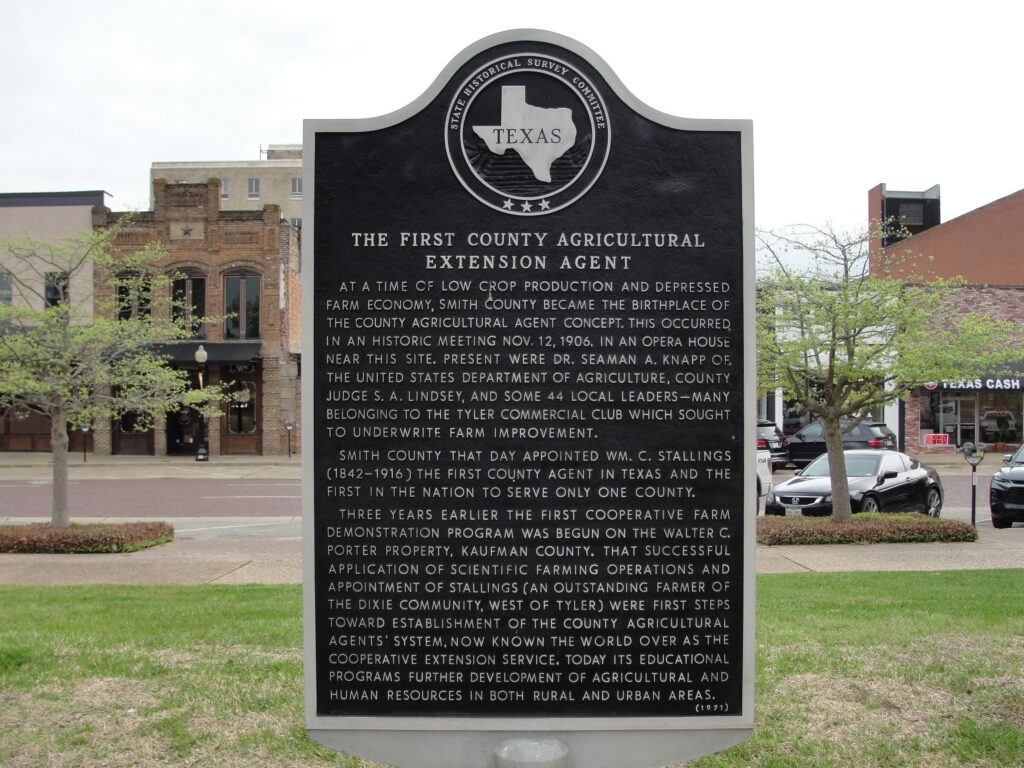
Smith County: The Birthplace of America’s First County Agent
Discover how Smith County, Texas made history in 1906 by appointing the nation’s first county agent, laying the groundwork for agricultural extension.
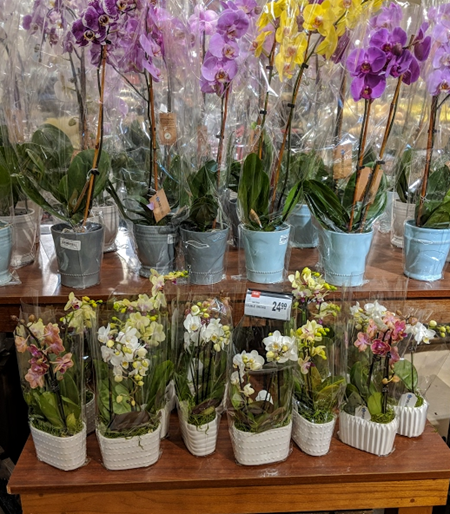
How to Care for Orchids: Simple Tips to Make Them Bloom
Learn how a $4 grocery store orchid grew into a 4-foot masterpiece with easy tips on potting mix, outdoor light, and the right slow-release fertilizer.
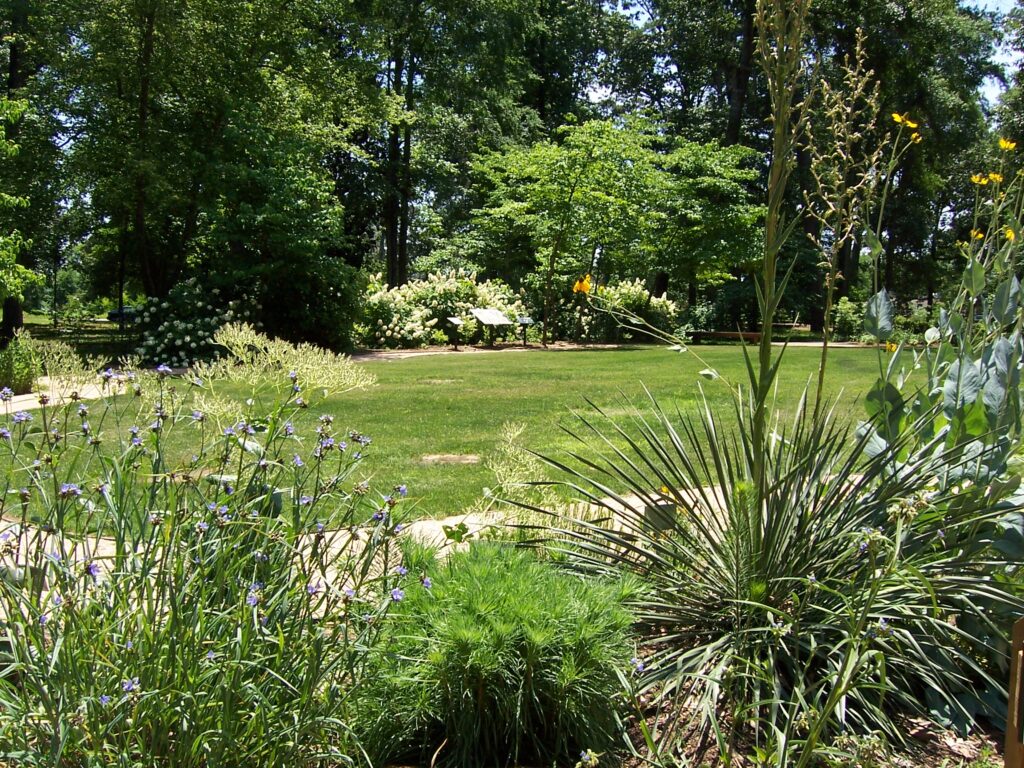
Earth-Kind Lecture to Feature Using Native Plants
Learn how to design stunning, orderly landscapes using native plants that support pollinators at an upcoming Earth-Kind program featuring expert Dawn Stover.
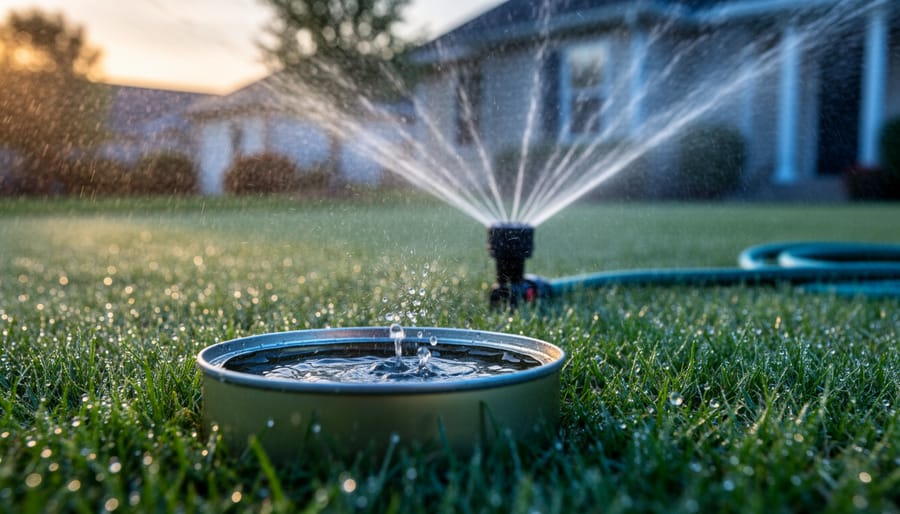
Why Less Water is Better for Your Lawn
Learn why less water creates a healthier lawn. Follow step-by-step instructions for the catch can test and build deep, resilient roots.
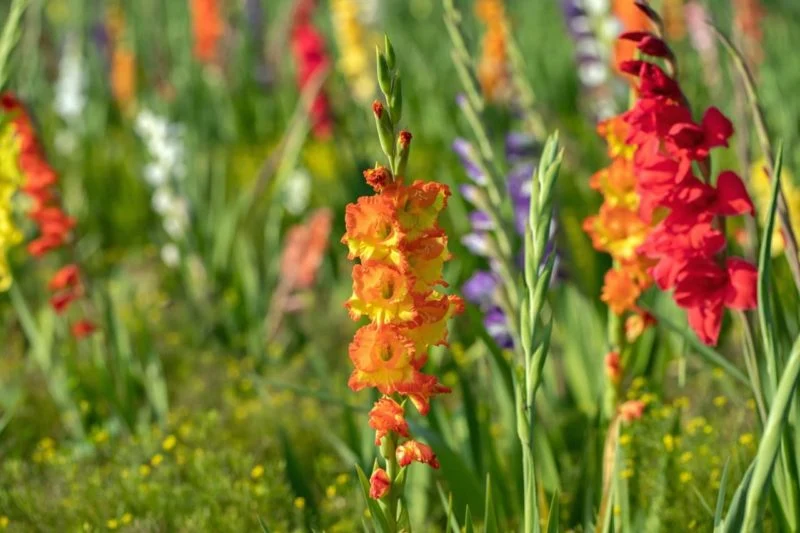
Gladiolus Care and August Heat Gardening Tips for East Texas
Learn how to grow gladiolus, protect plants from August heat, and prepare your East Texas garden for fall vegetable crops with expert tips.

Avoiding Skin Cancer: Sun Safety for Gardeners and Outdoor Workers
Gardeners and outdoor workers face a high risk of skin cancer and should practice sun safety. Protect yourself with hats, long sleeves, sunscreen, and shade.
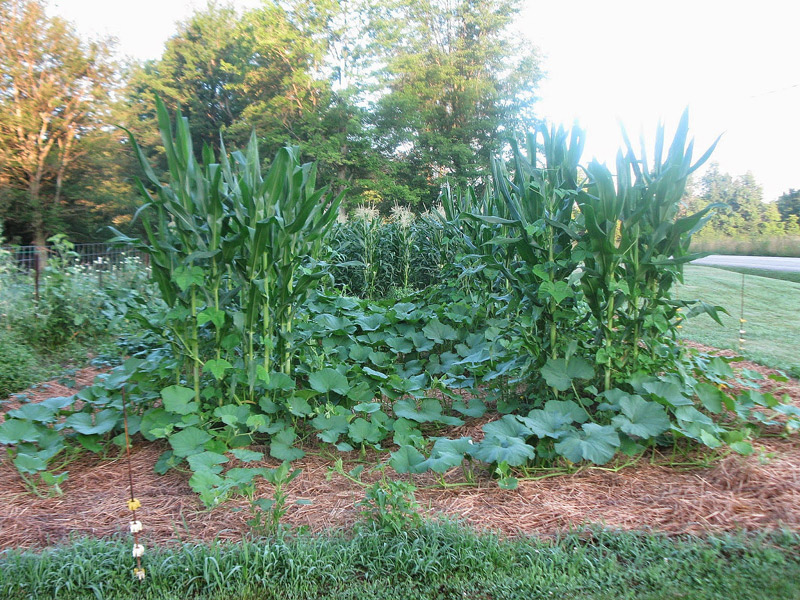
Three Sisters Garden: Easy Companion Planting
Try an ancient companion planting method! Grow corn, beans, and squash together to naturally boost soil fertility and keep garden maintenance low.
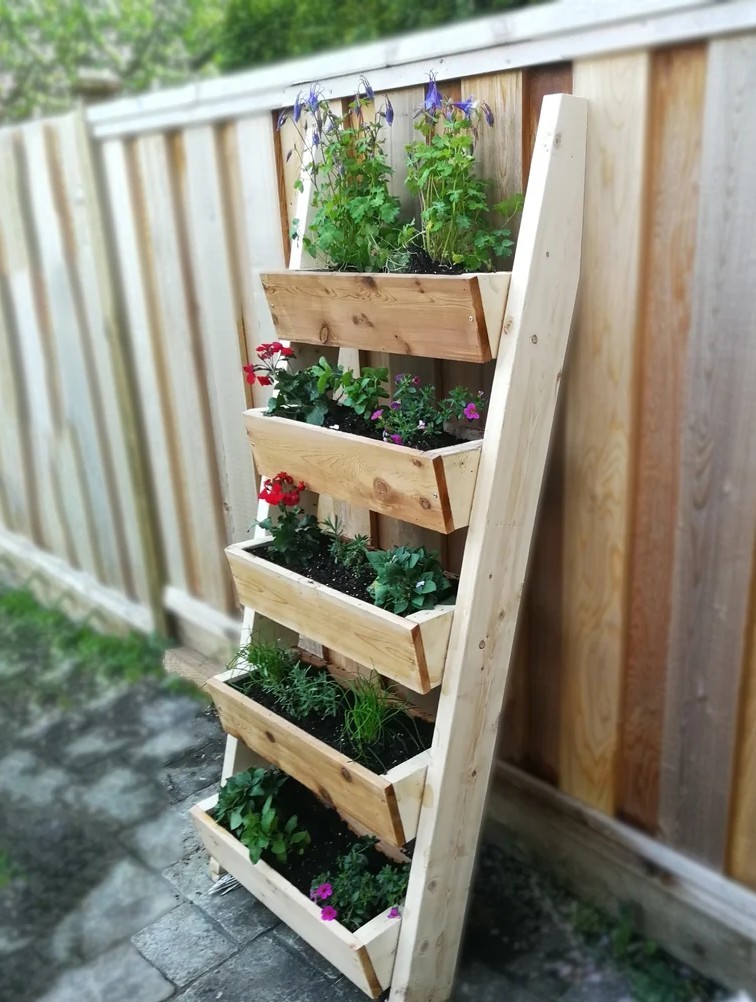
Vertical Garden Tips: Growing in Small Spaces
Short spaces cannot stop you from gardening! Learn to grow vegetables or herbs on a balcony without frequent bending with these vertical garden tips.

How to Attract Fireflies: Easy Summer Gardening Tips
Restore your yard’s habitat to attract fireflies. Use these summer gardening tips: leave leaf litter, mow less often, and turn off outdoor lights at night.

Summer Gardening Tips: Keep Veggies Thriving
Keep your East Texas summer garden thriving! Water deeply, trim tired flowers, and use mulch as air conditioning to protect your plant roots from July heat.
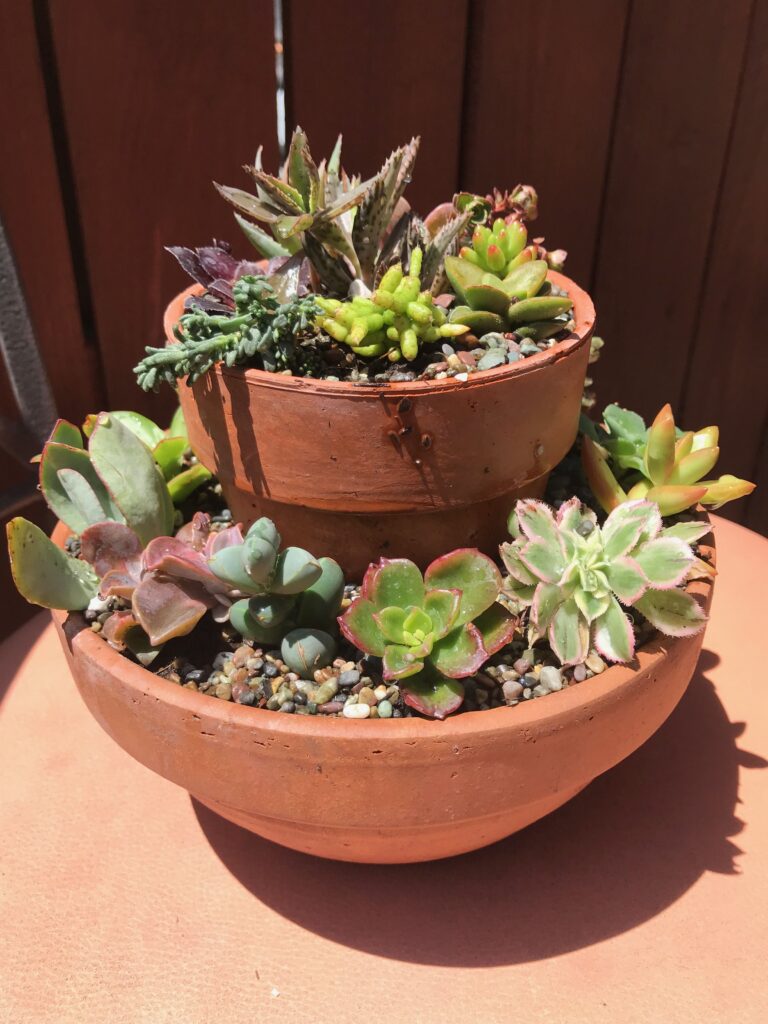
Texas Succulent Care: Grow Them Year-Round
Bring the joy of gardening indoors! Low-maintenance succulents survive Texas heat and thrive in winter. Learn more about succulent care here!

La Niña – How a Warm and Dry Winter Adjusts the Garden Clock
Winter in Smith County is arriving with a different rhythm. During this La Niña season, nights are unusually warm, frost is rare, and rainfall is unpredictable. These shifts have coaxed early blooms and subtle new growth from many gardens. The garden clock seems to be ticking ahead, and attentive care will help gardeners keep pace…