
La Niña – How a Warm and Dry Winter Adjusts the Garden Clock
Winter in Smith County is arriving with a different rhythm. During this La Niña season, nights are unusually warm, frost is rare, and rainfall is unpredictable. These shifts have coaxed early blooms and subtle new growth from many gardens. The garden clock seems to be ticking ahead, and attentive care will help gardeners keep pace with the changing season.
Every garden keeps its own time. Roots, buds, leaves, and soil respond to temperature and moisture with remarkable precision. When La Niña brings warmer nights and fewer hard freezes, the hands on the garden clock move ahead of schedule. Growth can stretch past its usual time or begin earlier than expected, leaving plants exposed to sudden cold snaps. As the season progresses, it is important to protect this vulnerable new growth by applying mulch around roots and securing covers over tender plants when cold weather is looming.
Rainfall has also become less predictable. Showers arrive in sudden bursts, followed by dry spells that leave soil moisture uneven. Even when the surface appears damp, deeper roots may still be thirsty. To help your garden weather these fluctuations, apply three to four inches of organic mulch to conserve moisture and regulate soil temperature. Check the root zone with a trowel or probe, and, if needed, water deeply in the morning so roots are hydrated and leaves dry by nightfall.
The real risk of these mild nights is not just from cold, but from the delay of dormancy, the protective pause when both deciduous and evergreen plants slow growth and prepare for winter. Without this rest, buds and leaves remain active and less resilient. A sudden freeze before dormancy is complete can damage vulnerable tissues. To reduce this risk, wait to fertilize and prune until late winter or early spring, when plants have fully entered dormancy. Early fertilization encourages fragile growth, and pruning too soon can increase plant stress and disease.
These changing rhythms are also evident in bloom times. You may notice sasanqua camellias flowering up to three weeks early, or some Little Gem magnolias producing an encore of blossoms. Tuning into the garden’s rhythm helps you anticipate further changes and adjust care as needed.
Mild winters during La Niña can affect spring-flowering bulbs as well. Many, including some daffodils, require a period of cold soil temperatures to initiate optimum blooms. Without enough chilling hours, bulbs may produce fewer flowers or fail to bloom altogether. During La Niña seasons, consider choosing varieties adapted to warmer climates to help ensure reliable flowering.
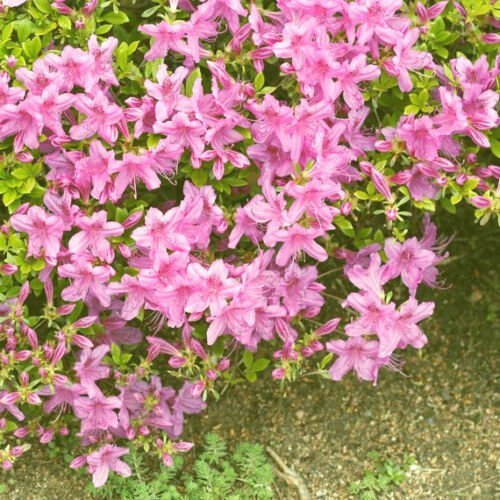
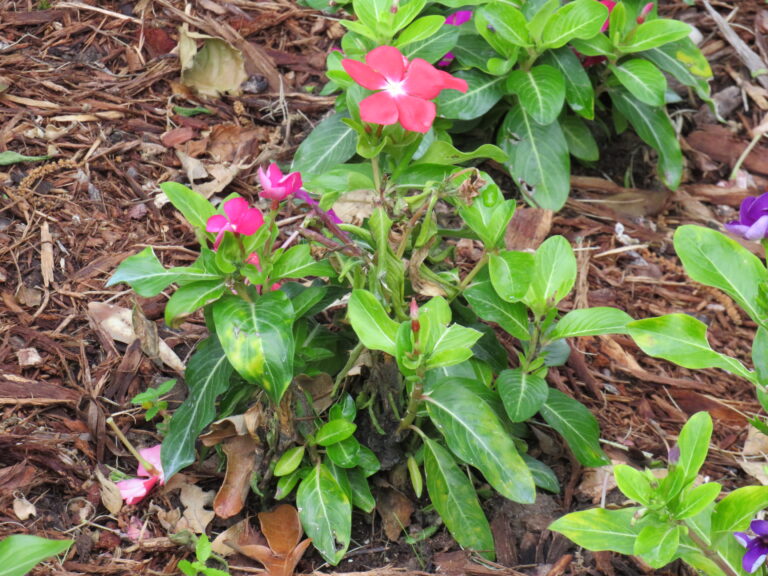
Unseasonable warmth can also encourage early insect activity, such as aphids and scale, and increase fungal leaf spots on camellias, hollies, azaleas, roses, crape myrtle, privets, and other susceptible shrubs and trees. Fungal issues are best prevented by watering at the base and only as needed, keeping the garden free of fallen leaves and debris, and providing good air circulation.
Tuning into the garden’s rhythm and responding with thoughtful care keeps your landscape in harmony. With each timely action, Smith County gardens can remain resilient and full of life, even as the season’s clock moves at a quicker pace.
Smith County Master Gardeners are volunteer educators certified and coordinated by the Texas A&M AgriLife Extension Service.
Denise Sparks
Smith County Master Gardener