
From Garden to Table: Edible Plants Redefine Ornamental Landscaping
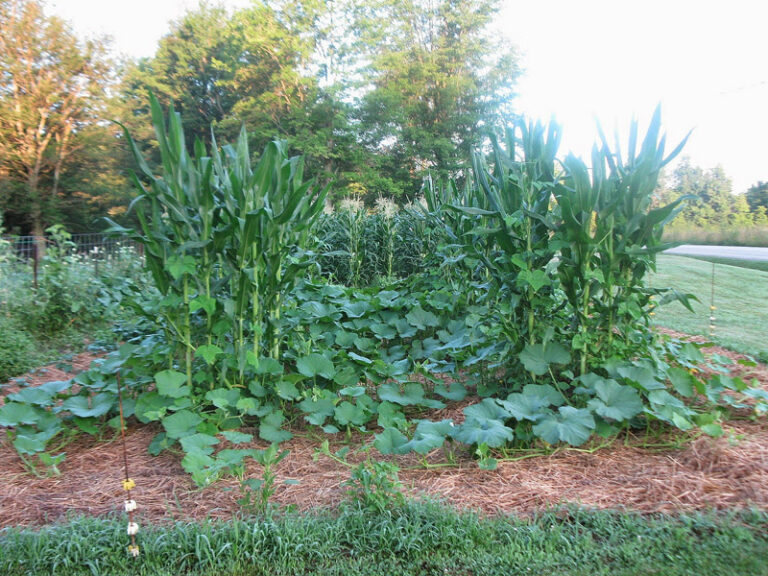
In a world increasingly focused on sustainability and self-sufficiency, homeowners and landscape designers are rethinking the traditional garden. Gone are the days when ornamental plants were chosen solely for their looks. Today, edible plants are taking center stage not just in backyard vegetable plots, but as stunning features in ornamental landscapes.
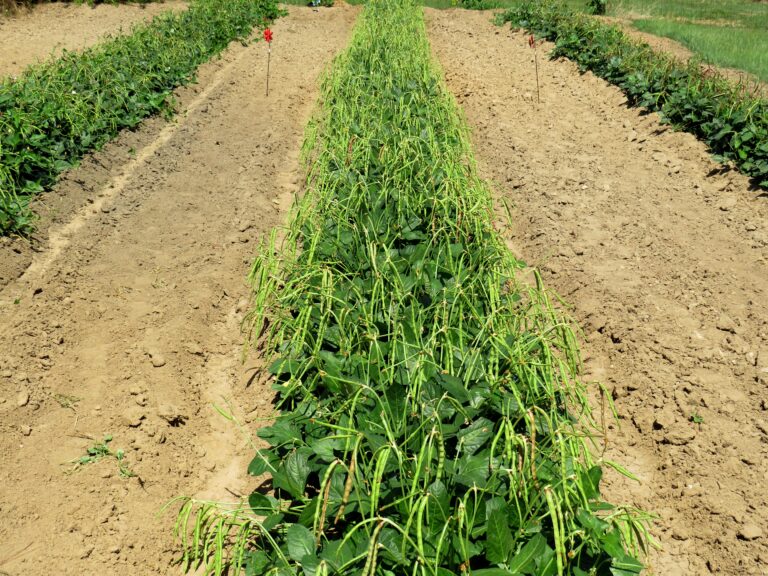
Edible plants like rainbow chard, purple basil and scarlet runner beans offer vibrant colors and dramatic textures that rival any flower bed. Blueberry bushes provide year-round interest: delicate white blossoms in spring, lush green foliage in summer and fiery red leaves in fall plus the bonus of sweet berries. People are realizing they don’t have to choose between beauty and function. A well-designed edible landscape can be as visually striking as a traditional one while also feeding your family.
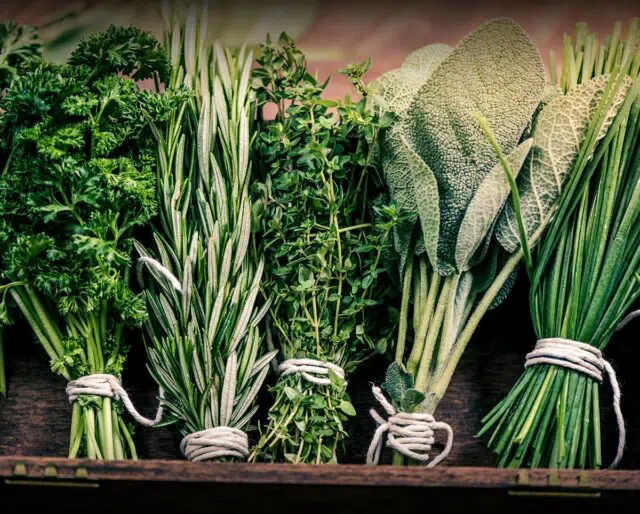
Incorporating edibles into ornamental designs requires thought planning. Herbs like thyme and oregano make excellent ground covers, while dwarf fruit trees can serve as foca points. Vertical gardens of climbing peas or tomatoes add architectural interest to fences and trellises.
Even traditional flower beds can be reimagined. Nasturtiums with their bright blooms and peppery leaves are both edible and eye-catching. Kale varieties like ‘Redbore’ and ‘Lacinato’ offer sculptural foliage that holds up through winter.
Across Tyler, residents are embracing the edible ornamental movement. Community gardens are blending aesthetics with agriculture. Local nurseries report increased demand for dual-purpose plants.
As a way of reconnecting with the land, when your landscape feeds you it becomes more than decoration, it becomes part of your lifestyle.
Smith County Master Gardeners are volunteer educators certified and coordinated by the Texas A&M AgriLife Extension Service.
Rick Cole
Smith County Master Gardener