Fall Garden Chores the Earth-Kind Gardening Way
Earth-Kind gardening relies on Texas A&M AgriLife Extension research-based practices that conserve water, protect soil, reduce waste, and support healthy landscapes by working alongside natural processes rather than fighting them.
How Should You Use Fallen Leaves as Mulch?
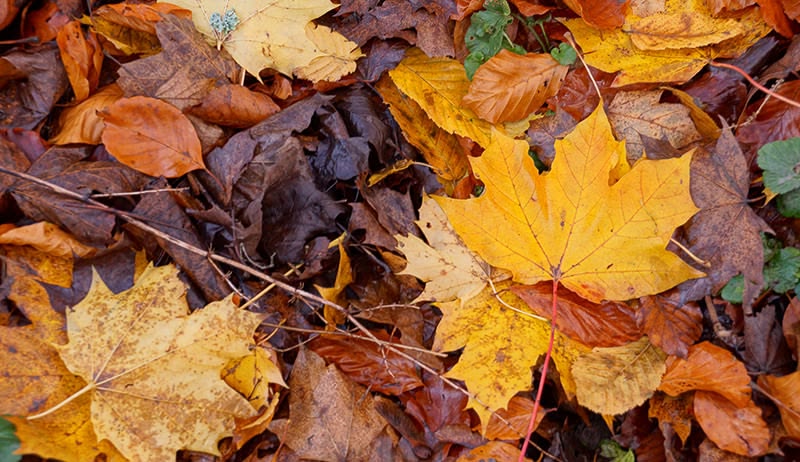
- Shred & Reuse: Instead of bagging leaves for landfills, shred them with a mower and apply them as mulch around trees, shrubs, and garden beds.
- Soil & Root Benefits: Leaf mulch retains moisture, shields roots from extreme temperature shifts, and breaks down over time to feed the soil as nature’s compost starter.
How Do You Refresh or Build Compost in Autumn?
- Layer Materials: Combine spent summer plants, chopped leaves, and vegetable scraps.
- Winter Microbial Action: Over winter, soil microbes break these down into rich organic matter that enhances soil structure, supports beneficial organisms, and lowers the need for synthetic fertilizers by spring.
Why Should You Limit Winter Pruning?
- Food for Birds: Leaving seed heads on perennials and ornamental grasses provides vital food for birds through winter.
- Habitat for Pollinators: Standing plant stems offer shelter for beneficial overwintering insects.
- Spring Cleanup: Delay garden cleanup until spring after pollinators and helpful insects have emerged.
Why is Fall an Ideal Time for Planting and Wise Watering?
- Head Start for Roots: Cooler autumn temperatures and higher rainfall help native or Earth-Kind recommended plants build strong root systems before summer heat arrives.
- Water Conservation: Established plants require significantly less water in fall and winter. Turn off or adjust irrigation systems during adequate rain to prevent disease and save water.

Karen Walker
Smith County Master Gardener volunteers are educators who are certified and coordinated by the Texas A&M AgriLife Extension Service.