Meet the Yellow Garden Spider: Nature’s Beneficial Neighbor
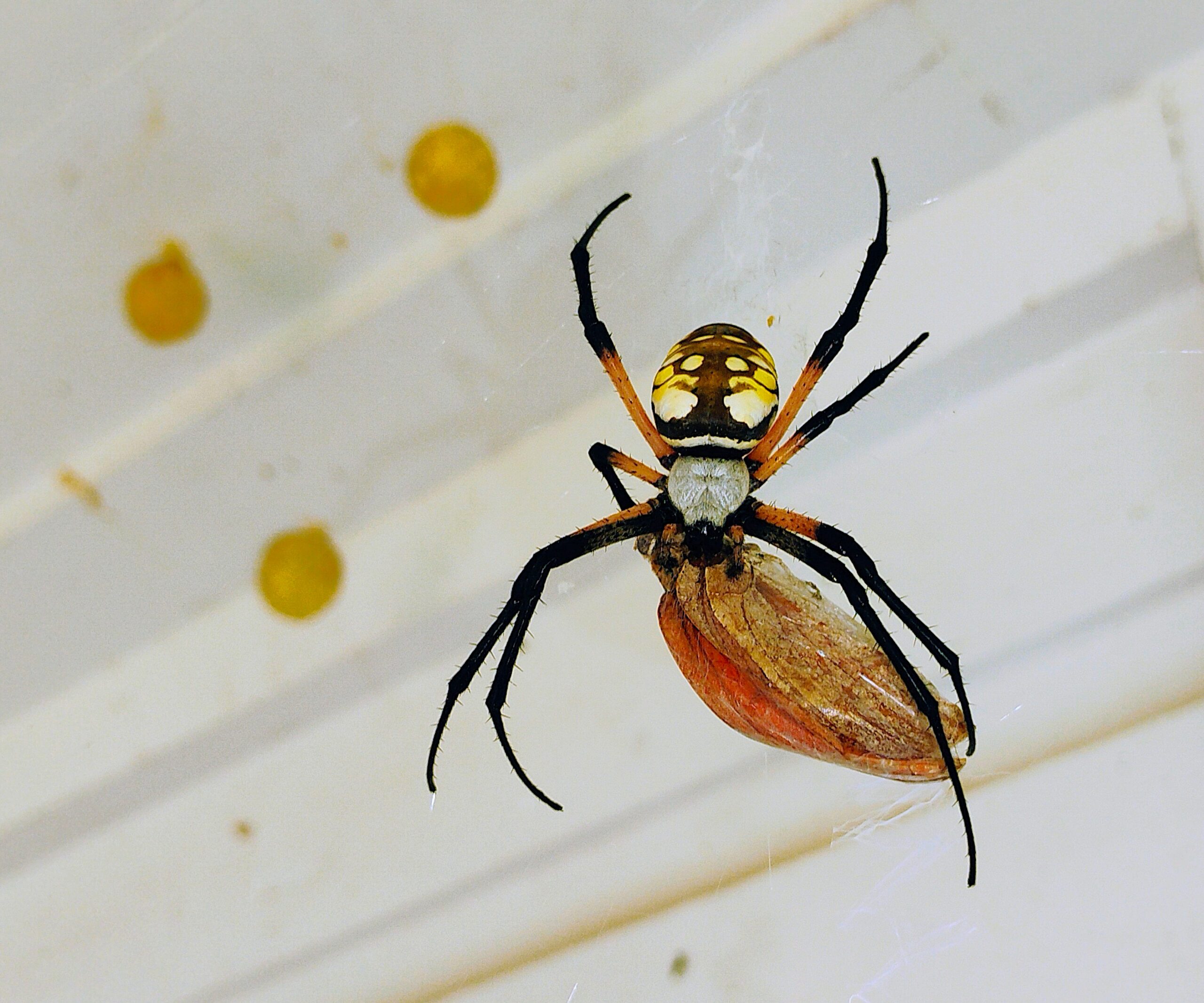
Halloween, All Saints Day, and the Day of the Dead mark a time of transition, making it an appropriate moment to honor a yearlong resident of a front porch in East Texas—a large yellow garden spider (Argiope aurantia). Over the season, she provided natural pest control before passing away in the autumn, leaving behind six egg sacs.
What is a Yellow Garden Spider (Argiope aurantia)?
The yellow garden spider (Argiope aurantia) is one of the most beautiful and beneficial spiders found in East Texas.
- Appearance: Female yellow garden spiders are unmistakable. They feature large black and yellow abdomens, long banded legs, and body lengths that can reach more than an inch. Their leg span makes them appear even larger.
- Males vs. Females: Males are considerably smaller and much less conspicuous than females. After mating, their role is complete.
Why Are Garden Spiders Called “Writing Spiders”?
Yellow garden spiders are sometimes called writing spiders due to the distinctive zigzag pattern of white silk woven into the center of their webs, known as a stabilimentum.
- Function of the Zigzag: This white decoration is most likely built to prevent larger, web-destroying creatures like birds from flying into the web.
Where Do Garden Spiders Live and Hunt?
Garden spiders build circular webs near outdoor light sources, such as porch lights, to catch a nightly buffet of flying insects attracted by the illumination.
Do Garden Spiders Live Inside Houses?
No, garden spiders cannot live inside a house. As the name implies, they belong outdoors in garden environments rather than indoors.
What Do Yellow Garden Spiders Eat?
Yellow garden spiders eat a wide variety of flying insects, helping control pests. Their diet includes:
- Love bugs
- Paper wasps
- Moths
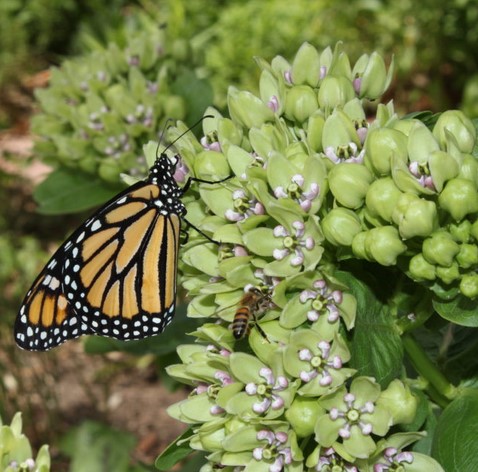
- Butterflies (such as the Gulf fritillary and zebra swallowtail)
Are Yellow Garden Spiders Dangerous to Humans?
Despite their intimidating appearance, garden spiders eat insects, not people.
- Venom: They carry just enough venom to paralyze small insects.
- Safety: They are considered harmless to people.
What is the Lifespan and Reproduction Cycle of a Garden Spider?
- Summer to Fall: Female Argiope spiders spend the summer feeding, growing, and mating.
- Egg Production: As autumn approaches, females produce one to a few papery brown egg sacs, each containing hundreds of eggs. The female carefully wraps each egg sac in silk overnight and suspends it to protect the eggs from weather and predators. A well-fed spider can produce up to six egg sacs in a productive season.
- End of Life: Female garden spiders typically live for only one growing season, dying as temperatures cool in autumn.
- Spring Hatching: Offspring emerge in the spring under structures like barn eaves or corn cribs.