Frightful Foliage Guide: Spooky & Poisonous Plants
Halloween is just around the corner, and soon our neighborhoods will be filled with ghosts, goblins, witches, and enough plastic skeletons to populate a small cemetery. But if you really want something scary, you don’t have to look any farther than your own backyard. Some of the most frightening things growing around East Texas are not decorations at all; they’re plants—and a few of them are downright sneaky.
Poison Ivy Identification & Precautions
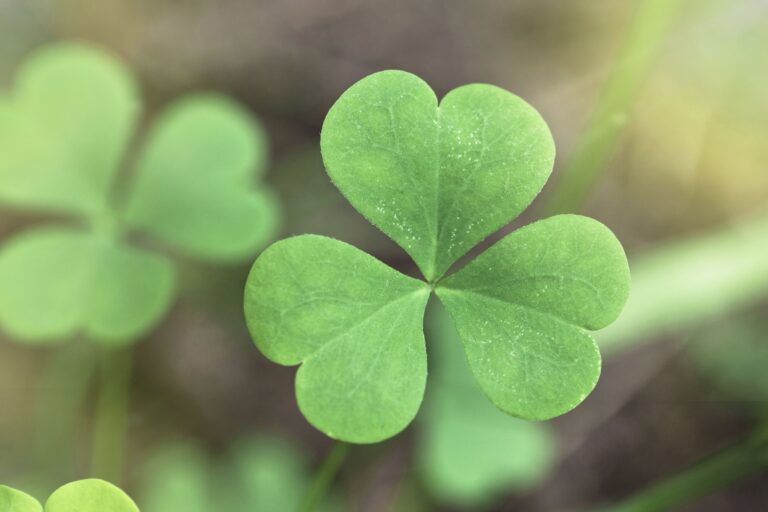
Take poison ivy, the undisputed troublemaker of the East Texas landscape. It may be growing quietly along a fence, climbing a tree, or hiding at the edge of the woods, looking completely harmless. Then you brush against it, and suddenly you’re wishing you’d stayed inside. The old saying “leaves of three, let it be” is worth remembering. Poison ivy can take several forms, and that little vine has a remarkable talent for appearing exactly where you don’t want it, such as along a walking trail, behind the shed, or somewhere you decide to do a little “quick” cleanup.
Toxic Wild Plants: Poison Hemlock & Jimsonweed
Then there is poison hemlock, a tall plant with pretty white flowers that looks innocent enough to earn a spot in a cottage garden. Don’t let appearances fool you; it is highly poisonous if eaten, making it a plant best appreciated from a considerable distance. Jimsonweed, also known as devil’s trumpet, has a name that sounds like it came straight from a Halloween story. Its large, trumpet-shaped flowers are striking, but the plant is poisonous, and its spiny seedpods should be avoided.
Sharp & Irritating Plants: Crown of Thorns & Cacti
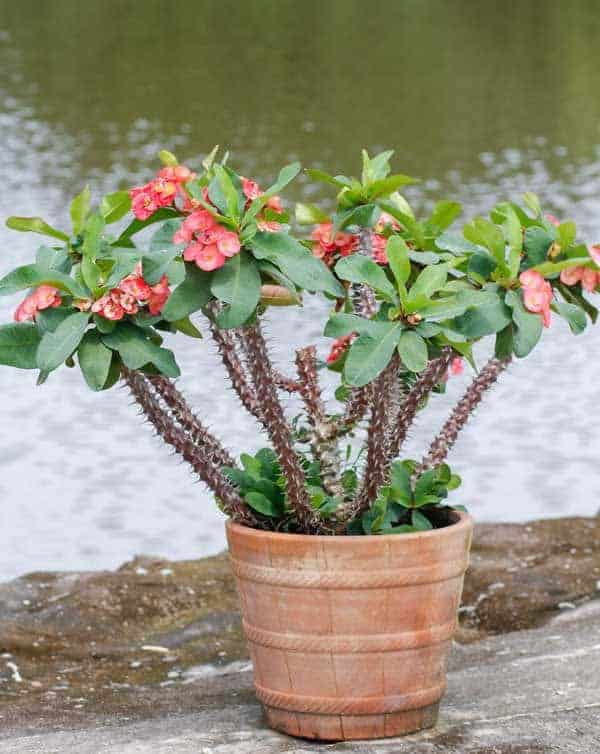
For sheer intimidation, crown of thorns gets high marks. With its sharp spines and irritating sap, it looks like something Dracula might keep beside the front door. It can be grown as a houseplant, but you’ll want to wear gloves when handling it. Cacti also deserve a place on our list; while plenty of gardeners grow them successfully, one misplaced hand can leave you spending the afternoon with a pair of tweezers.
Atmosphere & Spooky Landscape Effects
And then there’s Spanish moss, hanging from the trees and giving parts of our landscape a distinctly spooky appearance. On an ordinary October evening, it can look charmingly Southern, but with a full moon, a little fog, and a breeze, it adds a sinister look to old oak trees.
Halloween Landscape Safety & Conclusion
Not every scary-looking plant is dangerous; some are simply unusual, prickly, or mysterious. So as you enjoy the pumpkins, mums, and fall decorations this October, take a closer look at what’s already growing around you, and remember that some plants are better admired from a safe distance. Happy Halloween!

Lynn McGinnis
Smith County Master Gardeners are volunteer educators certified and coordinated by the Texas A&M AgriLife Extension Service.