Three Sisters Garden: Easy Companion Planting
The Ancient Legend of the Three Sisters
The Three Sisters Garden has gained massive popularity in recent years. Specifically, this ancient practice works directly with nature to support your crops. This method keeps maintenance low and naturally boosts soil fertility. Therefore, you can eliminate expensive chemical fertilizers entirely.
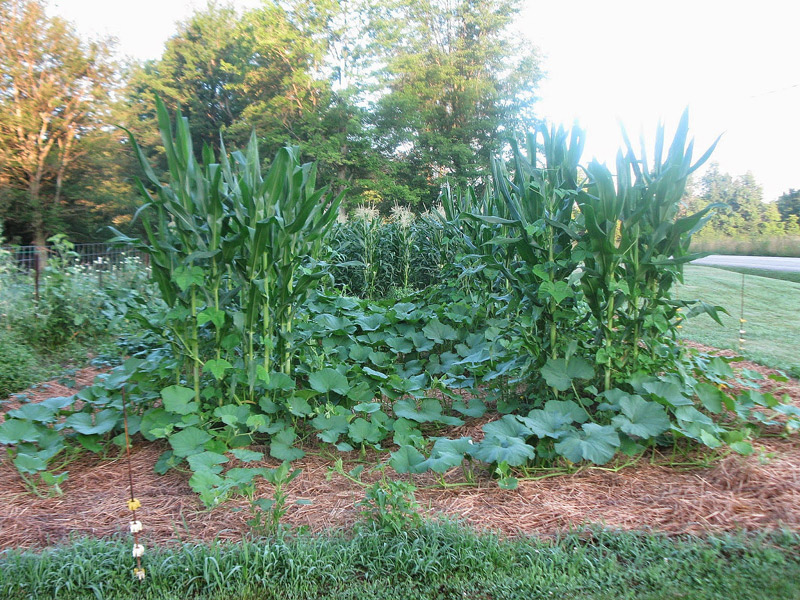
According to Iroquois legend, corn, beans, and squash are three inseparable sisters. Consequently, they always grow and thrive together. This fundamental companion planting technique is also known as intercropping. In addition, these crops grow in a beautiful symbiotic system. They constantly nourish and protect each other. Ultimately, this sustainable setup provides long-term soil health and a nutritious diet.
How the Three Sisters Protect Each Other
Each specific plant plays a critical role in the garden layout:
- Corn (The Elder Sister): First, you plant the corn to provide a strong, natural trellis for the climbing vines. Furthermore, it offers an excellent source of dietary carbohydrates.
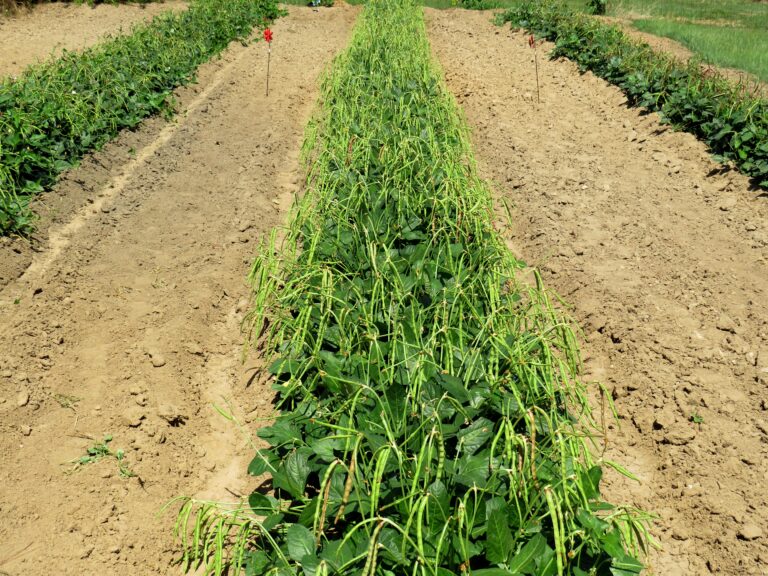
- Beans (The Supporting Sister): Next, you plant the beans after the corn becomes well established. The beans climb the stalks and actively fix nitrogen in the soil. Thus, they feed the hungry corn and squash plants.
- Squash (The Protector Sister): Finally, squash grows low to the ground. Its large, prickly leaves perfectly shade the soil. As a result, it keeps the ground cool, retains moisture, and suppresses weeds like a living mulch.
Simple Steps for Your Companion Garden
In some local traditions, gardeners add a special “fourth sister” to the mix. For example, you can plant colorful sunflowers or bee balm. These extra plants easily attract vital pollinators to your plot.
Growing a Three Sisters garden offers an easy, fun project for any skill level. Indeed, its low maintenance and unique history make it highly appealing. Grab your seeds and start planting your companion garden today!
For more articles from AgriLife Today, click HERE to view an article about companion planting or click HERE to view an article about intercropping.
About the Author: Rick Cole wrote this article. He serves as a volunteer Smith County Master Gardener. These educators are certified and coordinated by the Texas A&M AgriLife Extension Service.