How To Clean Gardening Tools
Cleaning your tools is probably one of the most neglected aspects of residential gardening. However, it is necessary to prolong the useful life of your tools, maintain their appearance and performance, and prevent the spread of pathogens in your home garden. Soil, contaminated water, and plant-borne pathogens (such as bacteria, fungi, nematodes, and some viruses) can be very harmful to your landscape and must not be spread. At a bare minimum, complete cleaning should be performed several times throughout the growing season, but ideally after each use of those tools.
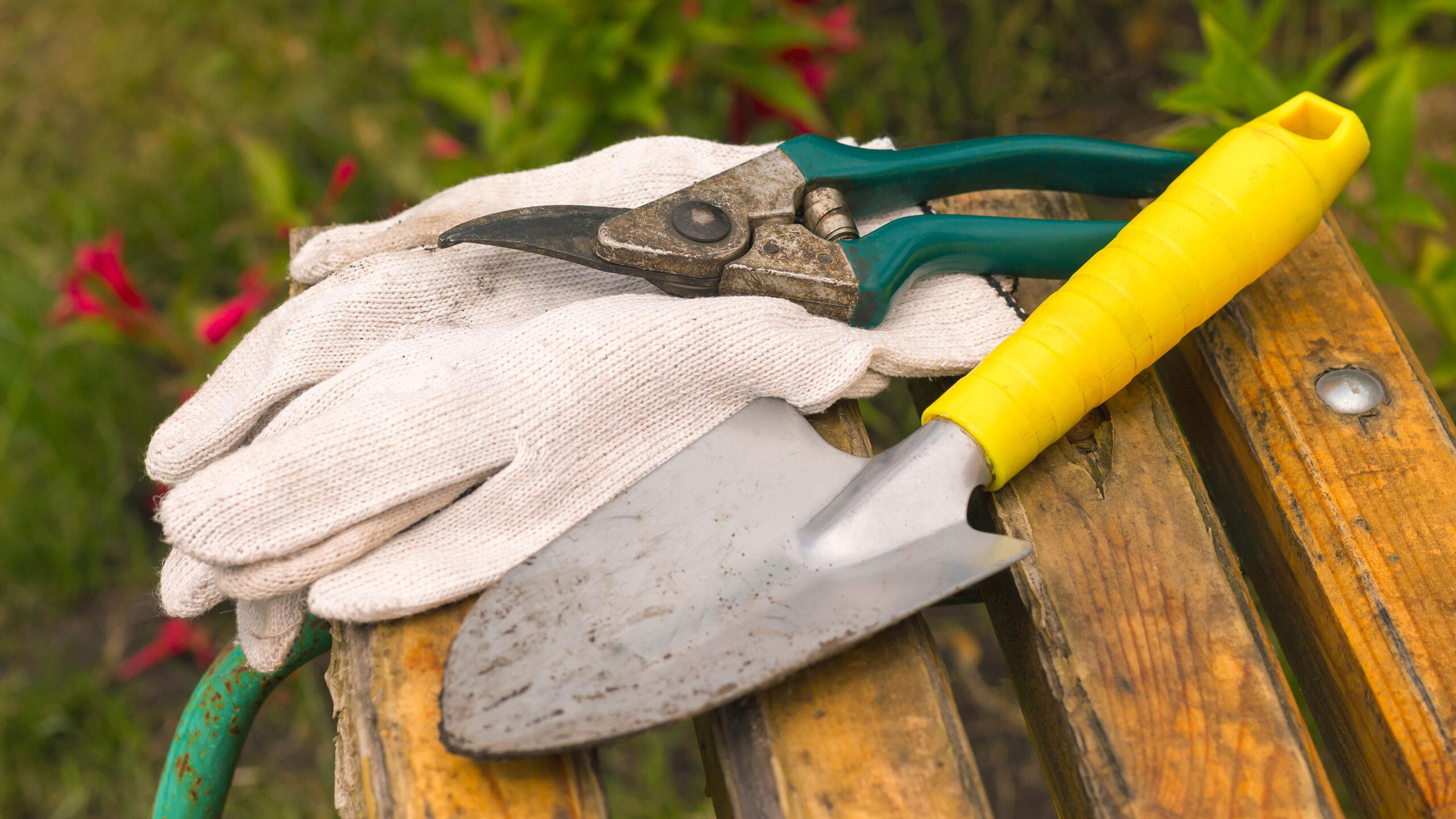
The required three steps are to: 1) physically clean the tools, 2) sanitize/disinfect them, and 3) preserve them. The materials you will need are water (via one or more buckets), liquid soap (such a Dawn detergent), a garden hose, a sanitizing disinfectant (such as bleach, Lysol All Purpose Cleaner, hydrogen peroxide or rubbing alcohol), sandpaper (or a scrubbing pad), mineral oil, linseed oil, and paper towels (or clean rags). Allow several minutes of cleaning time for each tool and do a thorough job. Remember to always dry your tools before putting them away.
Start by physically cleaning your tools with clean, soapy water and a stiff-bristle scrub brush, using a bucket of water with some liquid detergent. Remove all soil and plant debris. Remove any rust using sandpaper. (Rusty hand tool springs may need to be soaked in distilled white vinegar for 12 to 24 hours to remove any rust.) Rinse off the soapy water with the hose. Then, sanitize/disinfect the tools by dunking them in a bucket of a 10% bleach solution (1 part bleach to 9 parts water). Safer but more expensive rub-on disinfectant solutions to use include Lysol, alcohol, or hydrogen peroxide. Then, hose off and dry the tools thoroughly to ensure the disinfectant does not cause rust.
Next, you must preserve the tools by rubbing mineral oil on all metal parts and linseed oil on any wooden handle parts. Remove any excess oil with paper towels or clean rags. Store your clean tools vertically to air dry and remove any residual moisture. Some people like to store their small, clean tools face down in a bucket of sand as an added safeguard.
Finally, remember to clean your non-leather gardening gloves by thoroughly scrubbing them, then washing them with your other dirty gardening clothes. Proper cleaning should be an integral part of your gardening routine that will ensure the best results.
Smith County Master Gardeners are volunteer educators certified and coordinated by the Texas A&M AgriLife Extension Service.
Smith County Master Gardeners