What is Integrated Pest Management (IPM)? A Guide for Gardeners
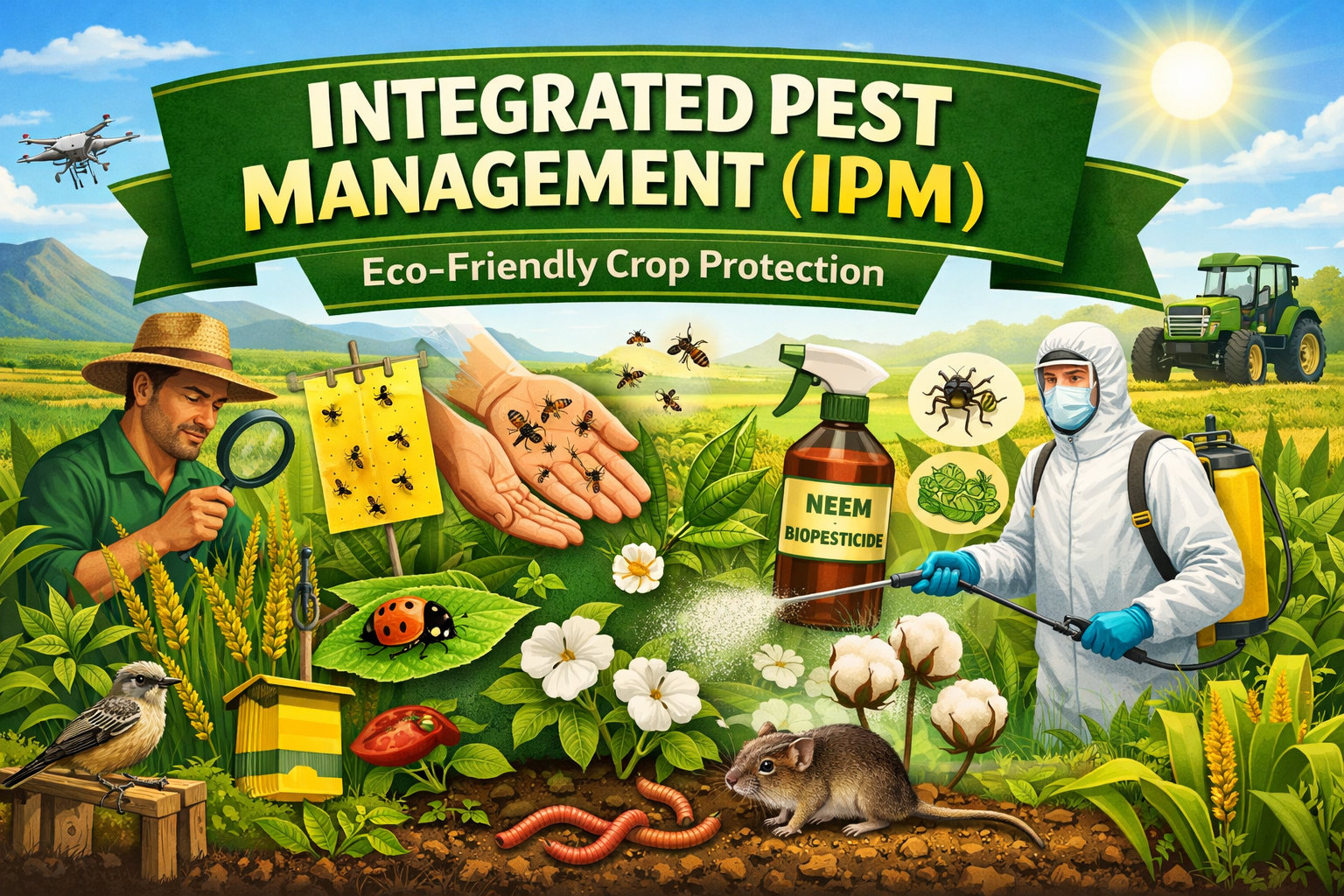
Have you heard the term “Integrated Pest Management” or “IPM”? For those not familiar with IPM, it is an effective and environmentally sensitive approach to pest management that relies on a combination of common-sense practices. IPM starts with good cultural and sanitation practices to keep plants healthy and happy while denying pests their preferred habitats.
1. Pre-Planting & Cultural Preparation
Before planting, prepare the soil to provide nutrients that may be lacking for the particular plants you want to grow. Next, be sure you select plants that are resistant to pests and have been shown to grow well in your area. Texas Superstars are plants that have been tested and proven to perform well in Texas. You can find a listing of the Texas Superstars by visiting the Texas Superstar website.
Adjust planting times to avoid when pests are most active, then be sure to apply appropriate water and nutrients to keep your plants healthy.
2. Garden Sanitation & Physical Barriers
Once your garden has been planted, use good sanitation practices such as:
- Removing plant debris
- Pruning dead or diseased plant parts
- Keeping weeds to a minimum
This may sound like a lot of work, but these practices will help rid your garden of the sites where pests like to set up home and allow your plants to flourish without overusing harmful chemicals.
You may also need to use barriers or traps to keep the pests under control. Mulches and edging are examples of barriers that will keep weeds to a minimum.
3. Plant Monitoring & Biological Controls
One of the best practices is to monitor your plants for pests so you are aware of any new infestations before they become a big problem. It is much easier to take quick action to control insect populations than to try to eliminate large pest populations after they have established their new home!
When you find pests, first consider using biological controls such as:
- Microorganisms
- Beneficial nematodes
- Spider mites or other insects that are natural predators for the pests you have found
To fend off pest invasion, your garden must maintain a viable population of predators. Many of these will already be around and just need your protection and nurturing to do their job. Consider adding plants that attract beneficial insects. Information about beneficial plants can be found at the Texas A&M AgriLife Extension Website.
4. Insect Identification: Is It Really a Pest?
But wait! Before we go any further, how do you know whether an insect is truly a pest? Not all insects are pests! Many are beneficial to your plants.
Observe:
- What is the insect doing?
- How do you know that your plants are being harmed?
Early, accurate diagnosis is a key component to IPM. Inspect your plants for signs and symptoms. Start by knowing what each plant looks like when healthy; then keep watch for any changes in its condition. Become familiar with factors that can compromise plant health and learn to recognize the signs of common problems in specific plants.
Once you know that you have a pest, you will want to identify what it is. This will determine the action you take. The Field Guide to Common Texas Insects, put out by Texas A&M University, includes descriptions, pictures, and information about the habitat and life cycle of insects found in Texas. And, most importantly, it includes whether or not that insect is considered a pest.
5. Responsible Pesticide Use
Pesticides do have their place in IPM. They can be an effective way of suppressing pests after all other approaches have been tried unsuccessfully. Pesticides should be the smallest component of IPM and only used when nothing else works.
Pesticides are regulated for safety, so be sure to read the labels carefully and follow the directions for use. Texas A&M AgriLife Extension has resources that help determine what insecticide to use. Click HERE for more information.

Maggie Taliaferro
Smith County Master Gardeners are volunteer educators certified and coordinated by the Texas A&M AgriLife Extension Service.
